Revitalize Your Space: Creative and Budget-Friendly Home Improvement Projects for Every Room

Introduction & Background
Transforming your home doesn’t have to be expensive or overwhelming. With a little creativity and smart planning, you can revitalize every room in your house without breaking the bank. Home improvement projects are more than just aesthetic upgrades, they enhance comfort, functionality, and even increase property value. Whether you’re a renter looking to personalize your space or a homeowner aiming to refresh outdated areas, budget-friendly solutions can make a big difference. This guide explores practical, inventive ways to breathe new life into your living spaces while keeping costs low and impact high.
Concept & Overview
Revitalizing your home involves more than just a fresh coat of paint or rearranging furniture. It’s about reimagining how each room can better serve your needs and reflect your style. The key is to focus on small, manageable changes that deliver maximum impact. Budget-friendly home improvement projects prioritize resourcefulness, using what you already have or sourcing affordable materials. These projects also emphasize sustainability, reducing waste by repurposing items or choosing eco-friendly alternatives. The approach blends creativity with practicality, ensuring that every dollar spent contributes to a more enjoyable and functional living environment.
Key Features & Highlights
- Paint with Purpose: A fresh coat of paint can instantly transform a room. Opt for neutral tones to create a calming atmosphere or bold colors to make a statement. Accent walls add depth without overwhelming the space.
- DIY Lighting Upgrades: Swap out outdated light fixtures for modern, energy-efficient options. Consider adding LED strip lights under cabinets or along shelves to create ambiance and improve functionality.
- Furniture Reimagined: Give old furniture a second life with a little sanding, staining, or painting. Upcycling not only saves money but also adds unique character to your home.
- Smart Storage Solutions: Maximize space with creative storage hacks like floating shelves, pegboards, or multi-functional furniture. These solutions keep clutter at bay while enhancing organization.
- Textile Refresh: Swap out old curtains, throw pillows, or rugs to instantly update a room’s look. Thrift stores and discount retailers offer stylish options at a fraction of the cost.
- Plants for Life: Indoor plants bring life and color to any space while improving air quality. Choose low-maintenance varieties like snake plants or pothos to thrive with minimal care.
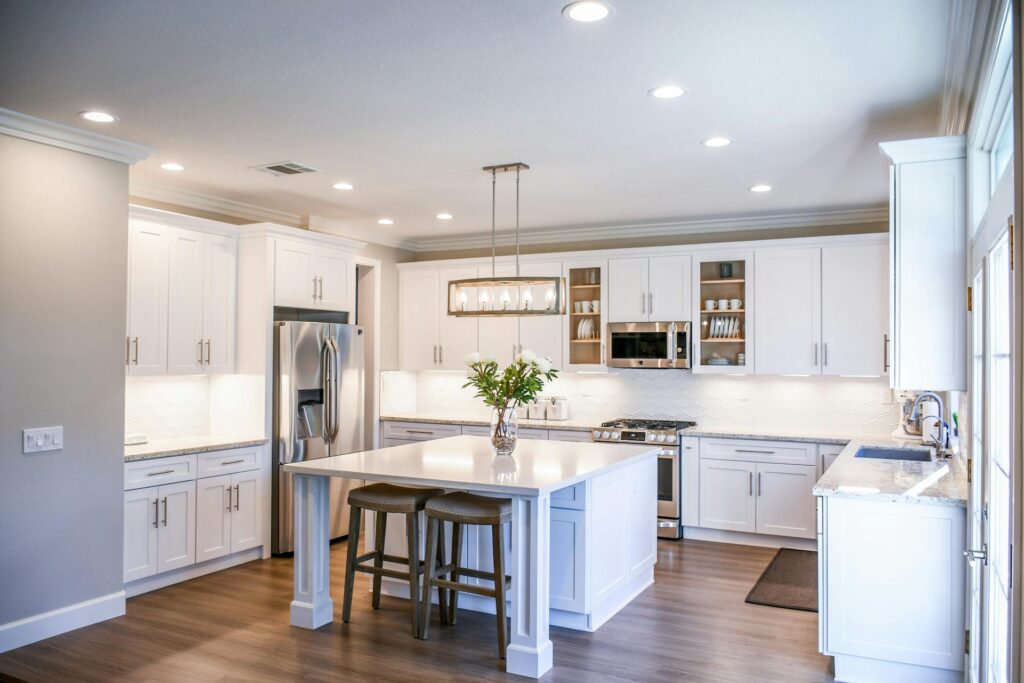
- Kitchen Revamp: Refresh cabinets with peel-and-stick contact paper, update hardware, or install a backsplash using affordable peel-and-stick tiles. These small changes can modernize the heart of your home.
- Bathroom Boost: Replace old caulk, update fixtures, or add a new shower curtain to freshen up the space. Even small details like a sleek soap dispenser or a stylish mirror can elevate the room.
Frequently Asked Questions / Pros & Cons
Why should I prioritize budget-friendly home improvements over major renovations?
Budget-friendly projects allow you to test new styles or layouts without a long-term commitment. They’re also ideal for renters or those preparing to sell their homes, as they offer quick and reversible changes. Major renovations can be costly and time-consuming, whereas small upgrades can yield immediate satisfaction and incremental improvements.
What are the biggest challenges of DIY home improvement projects?
The primary challenges include time constraints, skill gaps, and unexpected costs. Some projects may require specialized tools or knowledge, leading to frustration if not planned carefully. Additionally, sourcing materials within a tight budget can be tricky, especially for larger spaces. However, starting with smaller, manageable projects can help build confidence and reduce risks.
Are budget-friendly improvements worth the effort?
Absolutely. Even small changes can significantly enhance your home’s aesthetic and functionality. Budget-friendly improvements often focus on high-impact areas like lighting or storage, which can make a room feel entirely different. Plus, the sense of accomplishment from completing a project yourself adds value beyond the physical changes.
What are some common mistakes to avoid in home improvement?
One major mistake is overlooking the importance of planning. Skipping measurements or failing to research techniques can lead to wasted materials or poor results. Another pitfall is neglecting functionality for the sake of appearance, such as choosing a stylish rug that’s too small for the space. Always balance aesthetics with practicality to ensure long-term satisfaction.
Practical Guidance & Solutions
To get started on your home improvement journey, begin with a clear vision for each room. Identify areas that feel outdated or underutilized, and prioritize projects based on your budget and timeline. For example, if your living room feels drab, start with a fresh coat of paint and new throw pillows to create a cozy atmosphere. If your kitchen lacks storage, consider installing open shelving or adding a rolling island for extra counter space.
When tackling DIY projects, gather all necessary tools and materials beforehand to avoid mid-project trips to the store. Watch online tutorials or read guides specific to your project to ensure you’re using the right techniques. For instance, if you’re painting cabinets, lightly sanding and cleaning the surfaces will help the paint adhere better and last longer.
Don’t underestimate the power of decluttering before making changes. A clean, organized space allows your improvements to shine. Donate or sell items you no longer need, and focus on keeping surfaces clear. In the bathroom, swap out old towels for crisp, new ones and organize toiletries in attractive baskets to create a spa-like feel.
For renters, always get approval before making permanent changes. Instead, opt for removable solutions like peel-and-stick wallpaper or temporary shelving. These allow you to personalize your space without violating your lease agreement.
Finally, involve your household in the process. Family members or roommates can offer fresh perspectives and help with tasks like painting or assembling furniture. Making improvements together can also strengthen bonds and create lasting memories.
Conclusion
Revitalizing your home doesn’t require a hefty budget or professional expertise. By embracing creativity and focusing on small, strategic changes, you can transform every room into a space that feels fresh, functional, and uniquely yours. From DIY lighting upgrades to upcycled furniture, the possibilities are endless when you think outside the box. Start small, stay organized, and enjoy the process of making your house a home. With a little effort and imagination, you’ll create a living environment that inspires and rejuvenates you every day.