Grandeur Unveiled: Architectural Marvels of Luxury House Designs

Introduction & Background
Luxury house designs represent more than just opulent living spaces. They stand as testaments to human creativity, engineering prowess, and the pursuit of unparalleled elegance. Throughout history, architects and designers have pushed boundaries to create homes that blend artistry with functionality, transforming mere shelters into architectural masterpieces. These homes often incorporate cutting-edge technology, sustainable materials, and bespoke craftsmanship, making them symbols of prestige and innovation. As global wealth continues to grow, so does the demand for extraordinary residential architecture that challenges conventional norms and redefines modern luxury.
The significance of these designs extends beyond aesthetics. They reflect cultural values, personal aspirations, and technological advancements, serving as cultural landmarks in their own right. Whether nestled in urban skylines or perched on remote hilltops, luxury homes tell stories of their owners while pushing the envelope of what is possible in residential architecture. This article explores the grandeur of such marvels, delving into their conceptual foundations, standout features, and the practical considerations behind their creation.
Concept & Overview
Luxury house designs are defined by their commitment to exclusivity, innovation, and harmony between form and function. At their core, these designs prioritize bespoke solutions tailored to the unique lifestyles and preferences of their owners. Unlike mass-produced homes, luxury residences are characterized by custom layouts, high-end materials, and integrated smart technologies that enhance comfort and convenience. The concept goes beyond mere extravagance. It embraces sustainability, efficiency, and a deep connection to the surrounding environment.
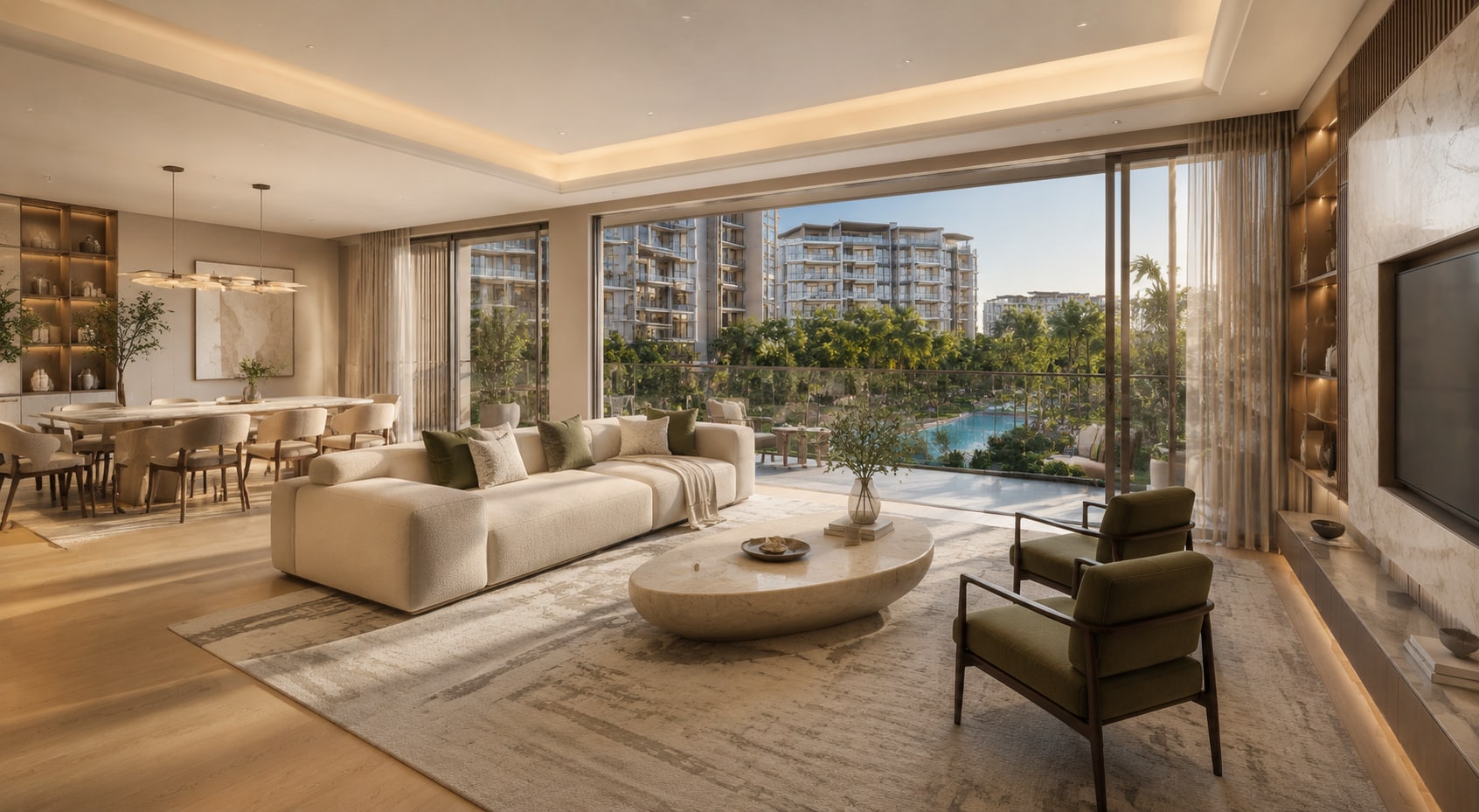
The architectural philosophy behind these homes often draws from diverse influences, including minimalism, futurism, and organic modernism. The goal is to create spaces that feel both timeless and forward-thinking, where every element serves a purpose. Whether through sweeping glass facades that blur indoor and outdoor boundaries or through hidden engineering marvels that operate seamlessly, luxury homes are designed to inspire awe while fulfilling practical needs. This duality of beauty and utility forms the bedrock of their enduring appeal.
Key Features & Highlights
- Custom Floor Plans: Tailored layouts that reflect individual lifestyles, incorporating open-concept living spaces, private retreats, and multi-functional rooms designed for entertainment or work.
- Premium Materials: Use of rare and high-quality materials such as marble, exotic woods, handcrafted metals, and sustainable composites that offer both durability and visual richness.
- Smart Home Integration: Advanced automation systems for lighting, climate control, security, and entertainment, allowing residents to manage their home environment with ease and precision.
- Energy Efficiency: Incorporation of solar panels, geothermal heating, rainwater harvesting systems, and high-performance insulation to reduce environmental impact while lowering utility costs.
- Architectural Landmarks: Unique structural elements like cantilevered terraces, floating staircases, cantilevered swimming pools, and expansive glass walls that create dramatic visual effects and maximize natural light.
- Landscape Integration: Thoughtfully designed gardens, infinity pools, outdoor kitchens, and meditation spaces that harmonize with the natural surroundings and extend living areas outdoors.
- Artistic Collaboration: Partnerships with renowned artists, sculptors, and interior designers to curate bespoke art installations, bespoke furniture, and signature decor that elevate the home’s aesthetic appeal.
- Privacy & Security: High-tech security systems, controlled access points, strategically placed landscaping, and soundproofing solutions to ensure a safe and secluded sanctuary.
- Cultural & Historical Influences: Design motifs inspired by local heritage, global architectural traditions, or futuristic concepts, creating homes that feel culturally rooted yet globally relevant.
- Sustainable Innovation: Use of recycled materials, passive solar design, green roofs, and water conservation systems that align with eco-conscious values without compromising luxury.
Frequently Asked Questions / Pros & Cons
What defines a luxury house design?
A luxury house design is characterized by exclusivity, customization, and high-end finishes. It typically features bespoke architecture, premium materials, advanced smart home systems, and innovative engineering solutions. Unlike standard homes, these residences are designed with meticulous attention to detail and often serve as statements of wealth, taste, and innovation.
Are luxury homes only for the ultra-wealthy?
While many luxury homes cater to high-net-worth individuals, the term “luxury” can also apply to thoughtfully designed spaces with high-quality materials and bespoke features that elevate everyday living. Some architects focus on creating accessible luxury through efficient design, sustainable practices, and timeless aesthetics that offer long-term value beyond mere extravagance.
How do luxury homes incorporate sustainability?
Modern luxury homes increasingly prioritize sustainability through passive design strategies, renewable energy sources, and eco-friendly materials. Features such as solar panels, green roofs, water recycling systems, and energy-efficient appliances reduce environmental impact while maintaining comfort and elegance. High-end designers often integrate sustainability as a core principle rather than an afterthought.
What are the challenges of building a luxury home?
Building a luxury home comes with significant challenges, including high construction costs, long timelines, complex zoning regulations, and the need for specialized labor and materials. Ensuring privacy, managing logistics in remote locations, and sourcing rare materials can also pose difficulties. Additionally, balancing aesthetic ambition with functional needs requires close collaboration between architects, engineers, and clients.
Do luxury homes appreciate in value over time?
Yes, well-designed luxury homes in desirable locations tend to appreciate in value due to their exclusivity, craftsmanship, and timeless appeal. Factors such as location, architectural significance, and market demand play crucial roles. However, value retention depends on maintenance, market conditions, and the home’s ability to adapt to changing tastes and technologies.
How important is location in luxury home design?
Location is paramount in luxury home design. It influences architectural style, material choices, and the overall experience of the residence. A waterfront villa, for instance, may prioritize expansive glass walls and open terraces, while a mountain retreat might focus on natural stone, thermal insulation, and panoramic views. Proximity to amenities, privacy, and scenic beauty are also key considerations.
Can luxury homes be energy-efficient?
Absolutely. Many contemporary luxury homes are designed to be highly energy-efficient without sacrificing comfort or aesthetics. Features such as high-performance windows, smart thermostats, geothermal heating, and LED lighting systems contribute to lower energy consumption. Sustainable luxury is not only possible but increasingly expected among discerning homeowners.
Practical Guidance & Solutions
Embarking on a luxury home project requires careful planning, clear communication, and a focus on long-term vision. Start by defining your priorities. Consider whether you value privacy, sustainability, architectural uniqueness, or technological integration most highly. Collaborate with an architect who specializes in luxury residential design and has a proven track record of delivering bespoke solutions.
When selecting materials, prioritize quality and durability over fleeting trends. Opt for natural stones, hardwoods, and metals that age gracefully and require minimal maintenance. For technology integration, choose systems that are scalable and user-friendly, allowing for future upgrades without major renovations.
Location should be chosen with both lifestyle and resale value in mind. Work with real estate experts to identify areas with strong growth potential, favorable zoning laws, and access to premium services. If building on a challenging site, such as a steep hillside or coastal region, invest in specialized engineering to ensure structural integrity and environmental harmony.
Budgeting is critical. Luxury homes often exceed initial estimates due to customizations and unforeseen challenges. Allocate a contingency fund of at least 10 to 15 percent of the total budget. Regularly review progress with your construction team to ensure quality control and adherence to timelines. Finally, consider hiring a project manager or interior designer to oversee the entire process and maintain a cohesive vision from concept to completion.
Conclusion
Grandeur in residential architecture is not merely about extravagance or size. It is a celebration of vision, innovation, and the art of living well. Luxury house designs stand as monuments to human aspiration, where every curve, material, and technological integration tells a story of sophistication and purpose. As we move forward, these homes will continue to evolve, embracing sustainability, connectivity, and cultural depth while redefining what it means to live in ultimate comfort and style.
Whether you are a homeowner dreaming of a bespoke sanctuary or an enthusiast admiring architectural brilliance, luxury house designs offer a glimpse into the future of residential living. They remind us that true luxury lies not just in what we own, but in how thoughtfully and beautifully we choose to inhabit our world. As technology and design continue to advance, the boundaries of residential architecture will keep expanding, promising ever more breathtaking expressions of grandeur and human creativity.