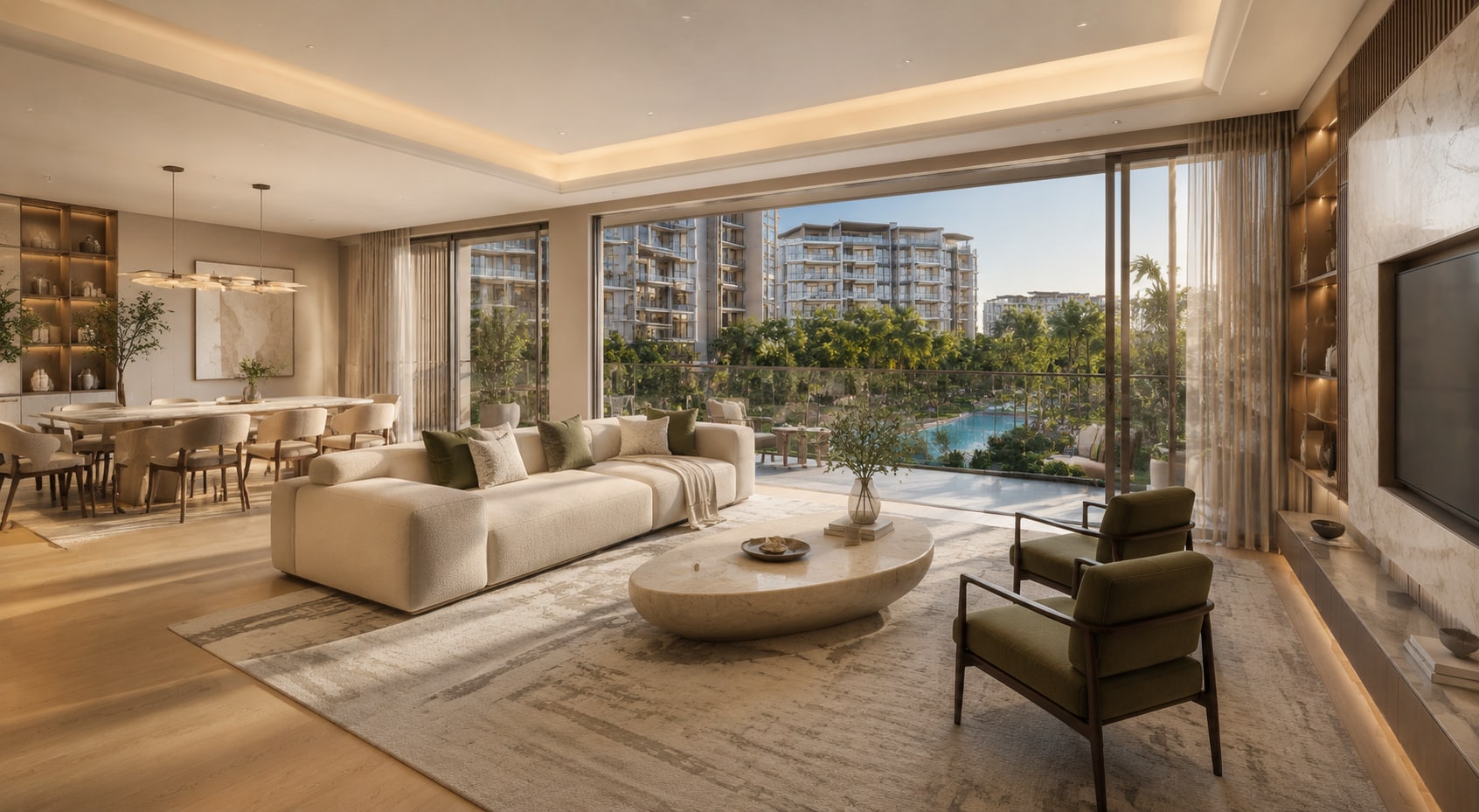
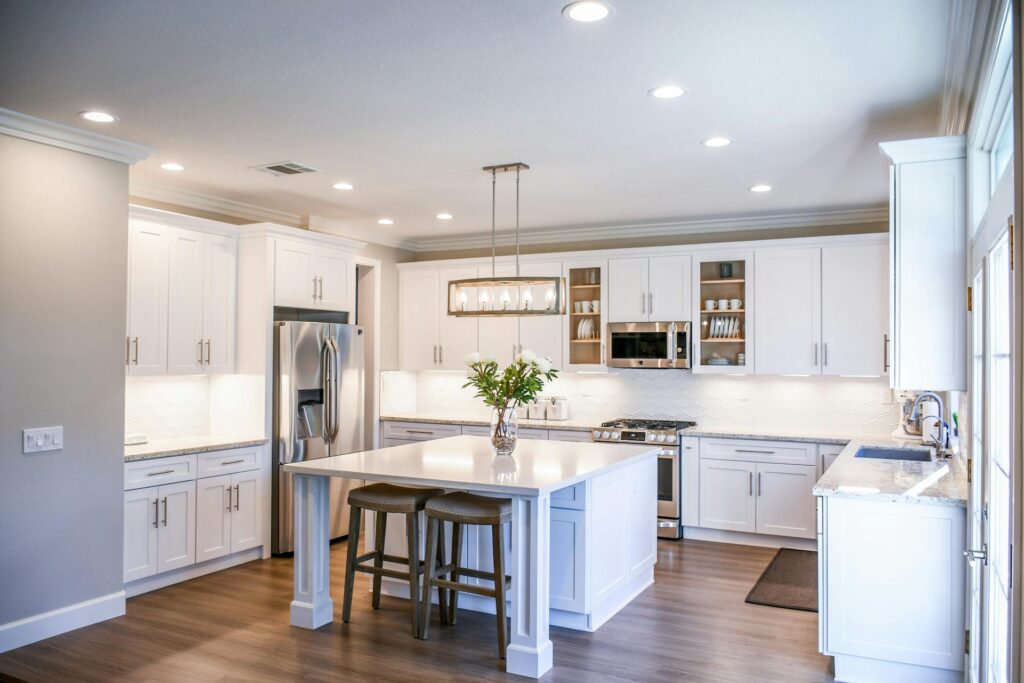
Revolutionary Home Makeovers: 2024’s Most Stunning Upgrades Revealed!

Introduction & Background
The year 2024 marks a turning point in how we view and transform our living spaces. Homeowners are no longer satisfied with mere renovations. They seek bold, innovative makeovers that blend cutting-edge technology, timeless design, and sustainability. Revolutionary Home Makeovers: 2024’s Most Stunning Upgrades Revealed! dives deep into the trends shaping the future of residential interiors. Whether you’re planning a complete overhaul or just refreshing a room, understanding these upgrades will help you create a home that is both functional and breathtaking. The desire for personalized living environments has never been stronger, driven by remote work trends, wellness priorities, and eco-conscious choices.
Concept & Overview
The concept of revolutionary home makeovers in 2024 revolves around three core principles: integration, sustainability, and personalization. Homeowners are embracing smart home ecosystems that adapt to their lifestyles. Designers are prioritizing eco-friendly materials that reduce carbon footprints without sacrificing style. Meanwhile, the rise of bespoke furniture and modular layouts allows for spaces that reflect individual identities. Gone are the days of one-size-fits-all interiors. Today, every upgrade is tailored to enhance daily living while embracing the latest technological advancements. This shift reflects a broader cultural move toward intentional living, where every element of a home serves a purpose.
Key Features & Highlights
- Smart Living Integration: Homes in 2024 are embedded with intuitive systems that control lighting, climate, security, and entertainment through voice commands or smartphone apps. Imagine waking up to curtains that open automatically, followed by a brewing coffee machine and a thermostat set to your ideal temperature.
- Sustainable Materials & Finishes: Eco-conscious choices dominate material selections. Recycled metals, reclaimed wood, cork flooring, and low-VOC paints are standard. Even countertops are crafted from sustainable composites like recycled glass or bamboo. These materials not only look stunning but also contribute to healthier indoor air quality.
- Multifunctional Furniture: Space optimization is key in modern homes. Modular sofas that convert into guest beds, coffee tables with hidden storage, and wall-mounted desks that fold away are just a few examples. These pieces allow homeowners to maximize utility without cluttering their spaces.
- Biophilic Design: Bringing nature indoors is a major trend. Living walls, indoor gardens, and large windows that flood rooms with natural light are being incorporated. Studies show that exposure to greenery and sunlight improves mood and productivity, making this design approach both beautiful and beneficial.
- Minimalist Aesthetics with Maximalist Touches: Clean lines and uncluttered spaces remain popular, but bold accents are making a comeback. Think sleek cabinetry paired with vibrant artwork or neutral walls contrasted by statement furniture pieces. This balance creates visual interest without overwhelming the senses.
- Energy-Efficient Upgrades: Solar panel integration, smart glass windows that adjust tint based on sunlight, and high-efficiency HVAC systems are becoming commonplace. These upgrades not only reduce utility bills but also align with global sustainability goals.
- Wellness-Centered Spaces: Home gyms, meditation nooks, and spa-like bathrooms are in high demand. Features like air purification systems, circadian lighting, and aromatherapy diffusers are being seamlessly integrated into living spaces to promote physical and mental well-being.
- Retro Revival with a Modern Twist: Mid-century modern furniture, vintage-inspired lighting, and bold geometric patterns are making a comeback, but with contemporary materials and finishes. This fusion creates a nostalgic yet fresh aesthetic that appeals to a wide range of tastes.
Frequently Asked Questions / Pros & Cons
What defines a revolutionary home makeover in 2024?
A revolutionary home makeover in 2024 is characterized by the seamless integration of technology, sustainability, and personalization. It goes beyond aesthetics to create living spaces that adapt to the occupants’ needs while minimizing environmental impact. These makeovers often involve smart home automation, eco-friendly materials, and multifunctional design elements that enhance daily life.
Are smart home upgrades expensive?
Upfront costs for smart home systems can be high, but they often pay off in the long run through energy savings and increased property value. Many affordable options are now available, such as plug-and-play smart plugs or budget-friendly thermostats. It’s important to prioritize upgrades based on your lifestyle and budget.
How can I incorporate sustainability into my home makeover without breaking the bank?
Start with small changes like switching to LED lighting, using reclaimed wood for shelving, or choosing furniture made from recycled materials. Opt for secondhand or vintage pieces, which add character and reduce waste. Additionally, focus on improving insulation and sealing windows to increase energy efficiency naturally.
What are the drawbacks of open-concept living spaces?
While open-concept layouts are popular, they can present challenges such as noise pollution, lack of privacy, and difficulty in heating or cooling large areas uniformly. Homeowners may need to invest in soundproofing solutions, room dividers, or zoned heating systems to address these issues effectively.
Is multifunctional furniture a good long-term investment?
Yes, multifunctional furniture is a smart investment for those who value flexibility and space efficiency. It adapts to changing needs, whether for remote work, entertaining guests, or growing families. While the initial cost may be higher than traditional furniture, the longevity and versatility often justify the expense.
Can biophilic design work in small apartments?
Absolutely. Even in compact spaces, biophilic design can be implemented through vertical gardens, indoor plants, natural wood accents, or large mirrors that reflect outdoor views. Choosing low-maintenance plants like snake plants or pothos can add greenery without requiring excessive upkeep.
Practical Guidance & Solutions
Embarking on a home makeover can feel overwhelming, but breaking the process into manageable steps will ensure success. Start by assessing your needs and priorities. Ask yourself what aspects of your home no longer serve you. Is it the lack of storage, outdated technology, or poor lighting? Once you identify the core issues, create a realistic budget that balances essential upgrades with desired luxuries.
Before diving into renovations, consult with professionals who specialize in sustainable design and smart home integration. They can provide insights into the most cost-effective and impactful changes. If DIY is your preference, focus on projects that align with your skills, such as painting, installing shelves, or assembling multifunctional furniture.
When selecting materials, prioritize durability and ease of maintenance. For example, quartz countertops resist stains and scratches, making them ideal for kitchens. In bathrooms, porcelain tiles are water-resistant and long-lasting. Don’t overlook the importance of proper ventilation, especially in spaces like kitchens and bathrooms, to prevent mold and improve air quality.
For those embracing smart home technology, start with a central hub like Amazon Alexa or Google Home to control multiple devices. Gradually expand your system by adding smart lighting, security cameras, or automated blinds. Always ensure compatibility between devices to avoid technical glitches.
Finally, incorporate personal touches that reflect your personality. Whether it’s a gallery wall of family photos, a collection of travel souvenirs, or a favorite color palette, these elements make your home uniquely yours. Remember, the goal is to create a space that feels both luxurious and livable.
Conclusion
The home makeovers of 2024 are redefining what it means to live comfortably, sustainably, and stylishly. From smart homes that anticipate your needs to eco-friendly materials that protect the planet, these upgrades offer something for everyone. The key is to blend innovation with intention, ensuring that every change enhances your lifestyle while respecting your values.
Whether you’re drawn to the sleek lines of minimalism, the warmth of biophilic design, or the convenience of smart technology, now is the perfect time to transform your home. By making thoughtful choices today, you’re not just upgrading your space. You’re investing in a future where your home is as unique, efficient, and inspiring as you are.