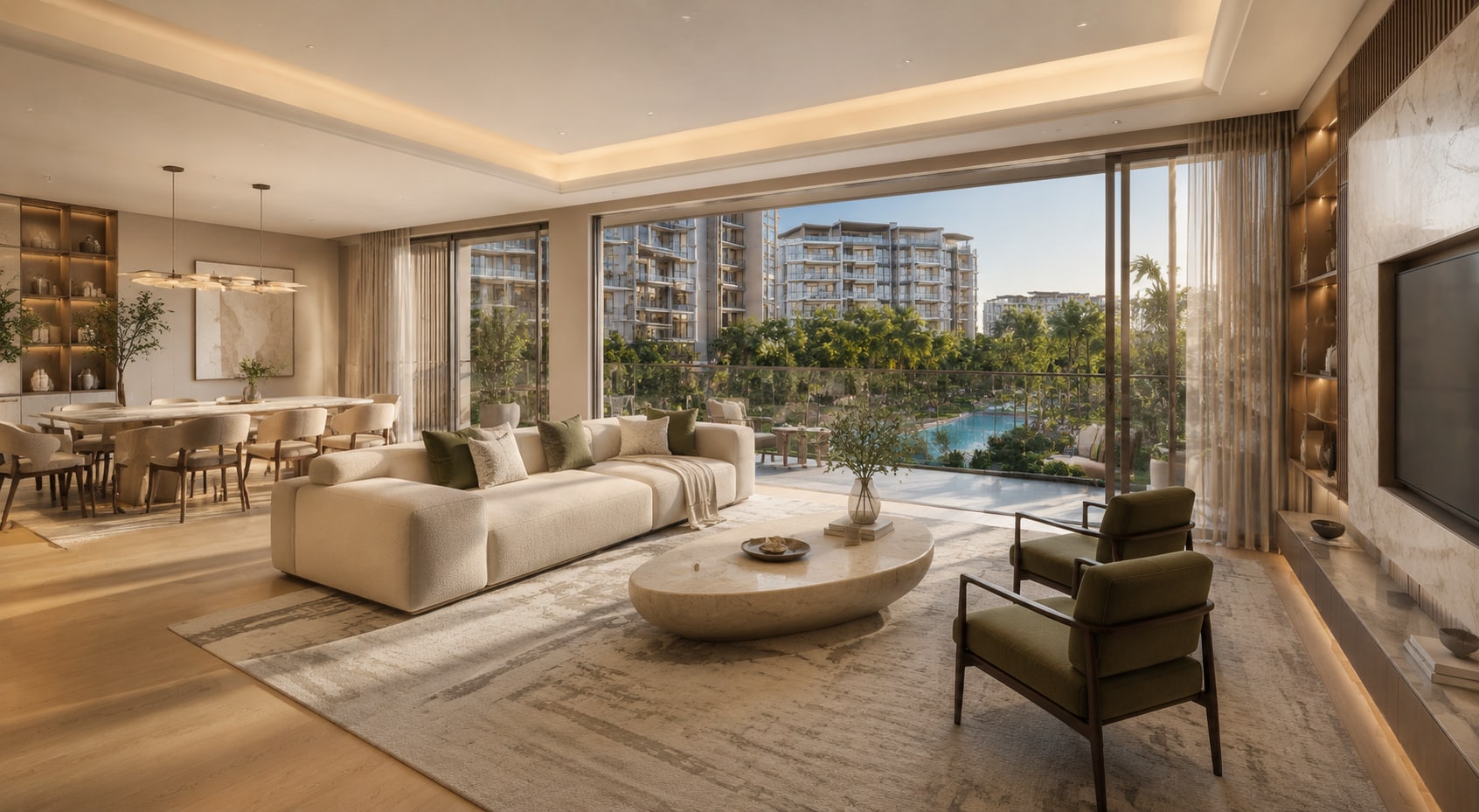
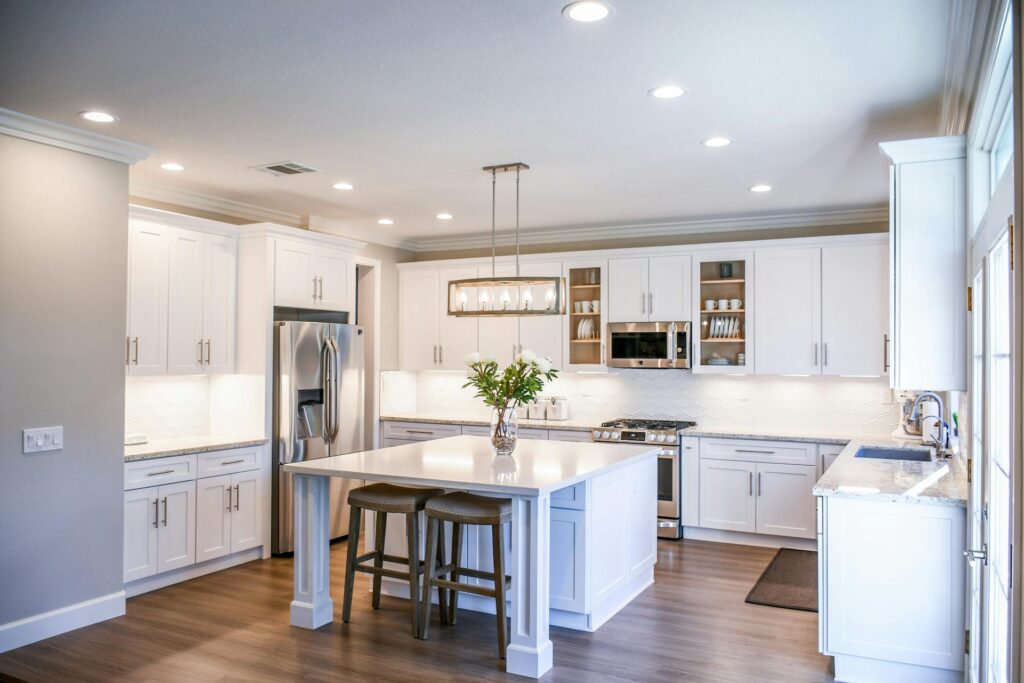
Modern House: Where Sleek Meets Cozy in 2024

Introduction & Background
The modern house has evolved far beyond its traditional roots, blending cutting-edge design with timeless comfort to create spaces that are both stylish and inviting. In 2024, the trend of merging sleek aesthetics with cozy living is more popular than ever. Homeowners today seek environments that reflect their personal tastes while prioritizing functionality and warmth. This shift reflects broader cultural changes, where minimalism meets hospitality, and open spaces encourage togetherness. The modern house is no longer just about looks; it’s about creating a sanctuary that adapts to the rhythms of daily life.
As urbanization accelerates and living spaces become smaller, the challenge is to maximize style without sacrificing comfort. The modern house of 2024 rises to this challenge by incorporating smart technologies, sustainable materials, and thoughtful layouts that promote well-being. Whether in bustling cities or serene suburbs, these homes stand out for their ability to balance sophistication with a sense of home. This evolution speaks to a deeper desire for spaces that feel both curated and lived-in, where every detail serves a purpose.
Concept & Overview
The modern house in 2024 is defined by its seamless integration of sleek design and cozy elements. Unlike the stark, impersonal interiors of the past, today’s homes prioritize warmth through natural textures, soft lighting, and inviting layouts. The core idea is to create a harmonious balance where minimalist lines meet plush comforts, ensuring that spaces feel both contemporary and lived-in. This approach is rooted in the belief that a home should be a reflection of its inhabitants, evolving with their needs while maintaining a timeless appeal.
Another defining aspect is the use of multifunctional spaces. Open-plan living areas, modular furniture, and adaptable rooms allow homeowners to tailor their environments to different activities throughout the day. Technology plays a crucial role here, with smart home systems enabling effortless control over lighting, temperature, and entertainment. Sustainability is also a key pillar, with eco-friendly materials and energy-efficient designs becoming standard. Together, these elements create a blueprint for modern living that feels both forward-thinking and deeply personal.
Key Features & Highlights
- Smart Integration: Homes in 2024 are equipped with advanced automation systems that manage everything from lighting to security, allowing residents to customize their environments effortlessly. Voice-controlled assistants and AI-driven climate control are now commonplace.
- Sustainable Materials: Eco-friendly choices like reclaimed wood, bamboo flooring, and recycled metal fixtures are widely used. These materials not only reduce environmental impact but also add a natural, organic feel to interiors.
- Open-Plan Layouts: Spaces flow seamlessly from one area to another, eliminating unnecessary walls and fostering a sense of openness. This design encourages interaction and flexibility, making it ideal for both work and leisure.
- Biophilic Design: Incorporating plants, natural light, and organic shapes, biophilic design connects inhabitants with nature. Large windows, indoor gardens, and water features create a calming atmosphere that enhances well-being.
- Multifunctional Furniture: Pieces like convertible sofas, extendable dining tables, and storage ottomans maximize space efficiency. These items adapt to different needs, ensuring that small apartments feel just as functional as larger homes.
- Warm Color Palettes: Neutral tones such as beige, taupe, and soft gray are balanced with earthy accents like terracotta and sage green. This combination creates a soothing backdrop that pairs beautifully with bolder decorative elements.
- Energy Efficiency: Solar panels, smart thermostats, and high-performance insulation are standard features. These upgrades not only lower utility bills but also contribute to a greener future.
Frequently Asked Questions / Pros & Cons
Is a modern house more expensive to build than a traditional one?
While the initial costs can be higher due to advanced materials and smart technologies, the long-term savings on energy bills and maintenance often offset the investment. Additionally, modular designs can help keep expenses in check.
What are the main advantages of a modern house?
- Customization: Modern homes are designed to reflect personal style, with flexible layouts and smart features that adapt to individual needs.
- Energy Savings: Sustainable materials and smart systems reduce energy consumption, leading to lower utility costs over time.
- Increased Comfort: Thoughtful design elements like ample natural light, sound insulation, and climate control create a more comfortable living environment.
What are the potential drawbacks?
- Maintenance: Advanced systems and high-end materials may require specialized care, which can be costly if repairs are needed.
- Space Constraints: Open-plan designs, while appealing, can sometimes feel less private or cluttered if not organized well.
- Over-Reliance on Technology: Dependence on smart systems means that technical issues can disrupt daily life if not managed properly.
Can a modern house feel cozy, or is it too minimalist?
A modern house can absolutely feel cozy, especially when warm textures, soft lighting, and personal touches are incorporated. The key is to balance sleek lines with inviting elements, such as plush rugs, layered textiles, and ambient lighting.
Practical Guidance & Solutions
If you’re considering a modern house design, start by identifying your priorities. Do you value sustainability, technology, or open spaces the most? Once you have a clear vision, work with a designer who specializes in modern architecture to bring your ideas to life. Focus on high-quality materials that align with your lifestyle and budget, and don’t shy away from investing in energy-efficient upgrades.
For those living in smaller spaces, multifunctional furniture is a game-changer. Opt for pieces that offer storage solutions or can transform to serve multiple purposes, such as a bed with built-in drawers or a dining table that folds away when not in use. Incorporating biophilic elements, like indoor plants or a small herb garden, can also enhance the cozy factor while improving air quality.
Avoid clutter by adopting a “less is more” approach to decor. Choose a neutral color palette as your base and introduce warmth through textures and natural materials. Layer rugs, cushions, and throws to create depth and comfort. Finally, leverage smart home technology to streamline daily routines, from automated lighting schedules to voice-controlled temperature adjustments.
Conclusion
The modern house of 2024 represents the perfect marriage of sleek design and cozy living, proving that style and comfort can coexist harmoniously. By embracing smart technologies, sustainable materials, and thoughtful layouts, these homes offer a blueprint for contemporary living that is both functional and inviting. Whether you’re building from scratch or renovating an existing space, the key is to prioritize your personal needs while staying true to the principles of modern design.
As our lives become increasingly fast-paced, the modern house stands as a sanctuary, a place where cutting-edge innovation meets the warmth of home. It’s a testament to how far we’ve come in reimagining the spaces we inhabit, where every detail is designed to enhance our well-being and reflect our individuality. In 2024 and beyond, the modern house isn’t just a trend; it’s a lifestyle choice that celebrates the beauty of balance.