Revolutionary Living: 10 Modern House Designs That Redefine Space and Style

Introduction & Background
In a world where urban spaces are shrinking and environmental concerns are growing, modern house designs have become more than just architectural trends. They represent a bold shift toward sustainable living, smart technology, and creative use of limited space. Homeowners today seek homes that not only reflect their personal style but also adapt to their evolving lifestyles. From minimalist tiny homes to eco-friendly smart houses, the concept of revolutionary living is reshaping how we think about residential architecture. This article explores ten groundbreaking house designs that redefine space and style, proving that innovation and comfort can go hand in hand.
Concept & Overview
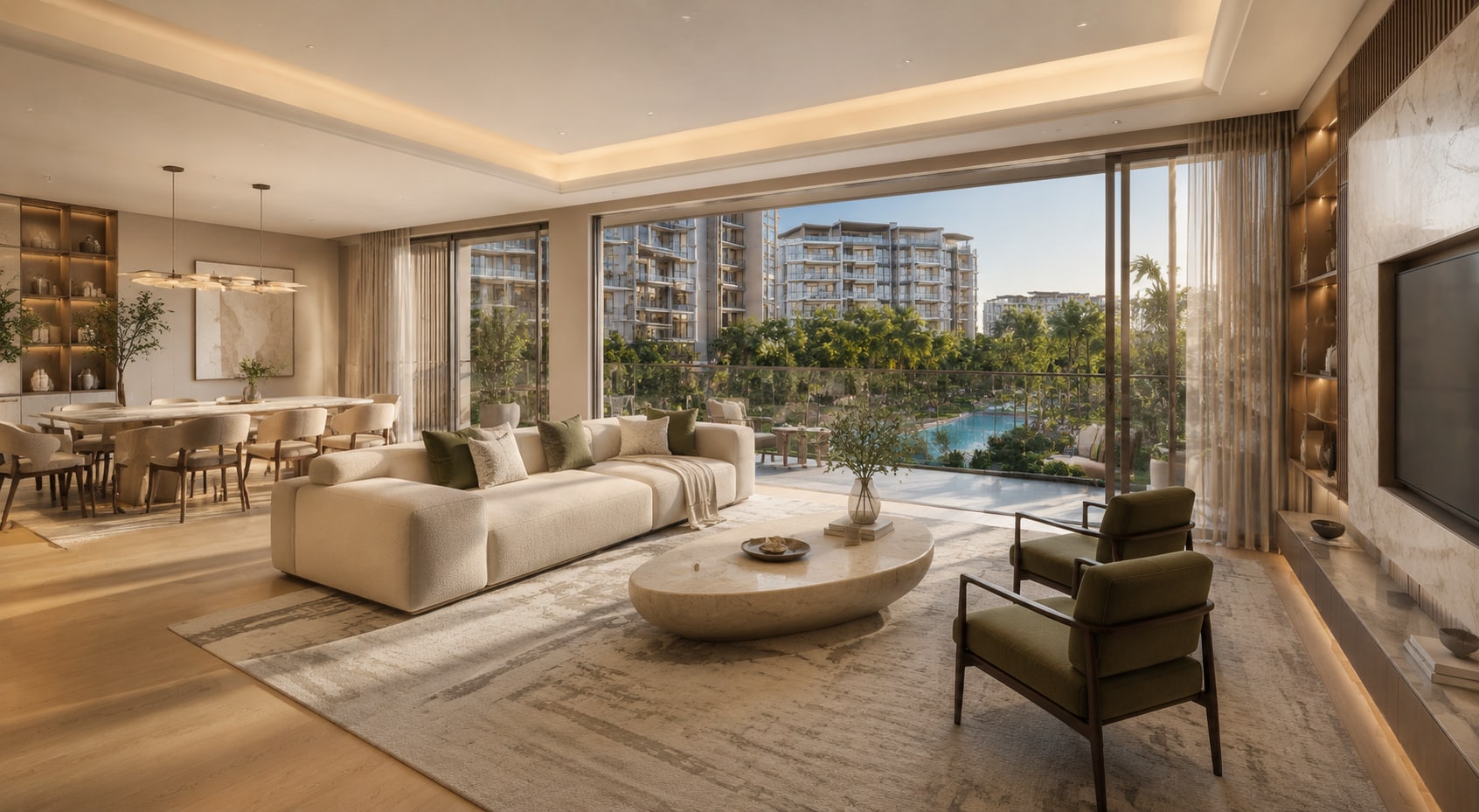
Modern house designs focus on maximizing functionality while maintaining aesthetic appeal. The core idea revolves around smart space utilization, energy efficiency, and integration with nature. Architects and designers are breaking traditional boundaries by incorporating modular structures, renewable energy sources, and flexible layouts. These homes often feature open-concept living areas, multi-functional furniture, and large windows to blend indoor and outdoor environments. The result is a living space that is both stylish and highly adaptable to the needs of its inhabitants.
Key Features & Highlights
- Modular and Prefabricated Homes: These homes are built in sections off-site and assembled on location, reducing construction time and waste. They offer customizable layouts and are ideal for eco-conscious buyers.
- Passive House Design: Focused on energy efficiency, these homes use advanced insulation, airtight construction, and heat recovery systems to maintain comfortable temperatures year-round with minimal energy use.
- Tiny Homes: Compact yet functional, tiny homes prioritize essential living spaces while minimizing environmental impact. They often include lofts, foldable furniture, and multi-purpose rooms.
- Green Roofs and Living Walls: These features incorporate vegetation into the home’s design, improving air quality, reducing heat absorption, and creating a natural aesthetic.
- Smart Home Technology: Integrated systems for lighting, security, temperature control, and entertainment enhance convenience and energy management. Voice-activated assistants and automated controls are common.
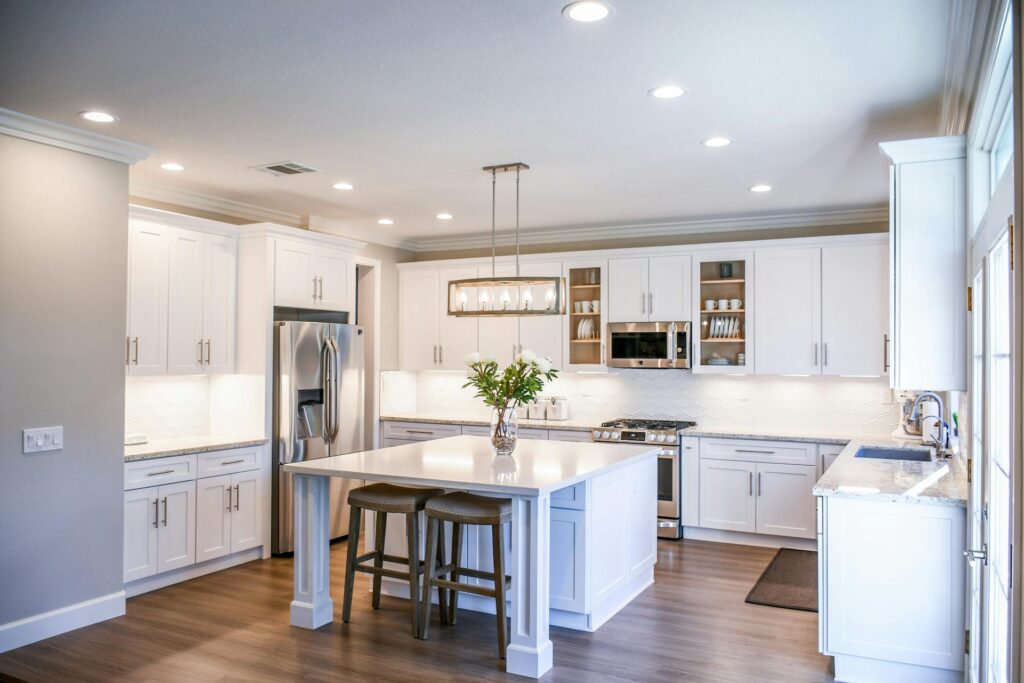
- Open-Concept Living: Removing unnecessary walls creates a sense of spaciousness and encourages interaction. Kitchens, dining areas, and living rooms flow seamlessly into one another.
- Sustainable Materials: Homes are increasingly built using recycled, reclaimed, or locally sourced materials like bamboo, cork, and reclaimed wood to reduce carbon footprints.
- Multi-Functional Furniture: Pieces like Murphy beds, extendable tables, and storage ottomans serve multiple purposes, saving space in smaller homes.
- Natural Light Optimization: Large windows, skylights, and glass doors maximize daylight, reducing the need for artificial lighting and creating a brighter, healthier living environment.
- Outdoor Living Integration: Expansive decks, patios, and gardens extend living spaces outdoors, encouraging a connection with nature and providing areas for relaxation and entertainment.
Frequently Asked Questions / Pros & Cons
What makes a modern house design revolutionary?
Revolutionary modern house designs prioritize innovation in space utilization, sustainability, and technology. They often feature cutting-edge materials, energy-efficient systems, and flexible layouts that adapt to changing needs. These homes challenge conventional architecture by blending form and function in unique ways.
Are tiny homes practical for families?
While tiny homes are compact, they can be highly practical for families willing to embrace minimalist living. Clever storage solutions, multi-functional furniture, and efficient layouts make them suitable for couples or small families. However, space constraints may require careful planning and lifestyle adjustments.
How do smart home technologies improve daily life?
Smart home technologies enhance convenience, security, and energy efficiency. Automated lighting, thermostats, and security systems can be controlled remotely, reducing energy consumption and providing peace of mind. Voice assistants streamline tasks like setting reminders or playing music, while smart appliances offer advanced features and remote monitoring.
What are the main challenges of building a sustainable home?
The primary challenges include higher upfront costs for eco-friendly materials and technologies, as well as the need for specialized knowledge in sustainable design. Additionally, sourcing sustainable materials can be difficult in some regions, and navigating building codes may require extra effort. However, long-term savings on energy bills often offset these initial investments.
Can open-concept homes work for privacy-conscious individuals?
Open-concept homes can be adapted to balance openness with privacy. Strategic placement of furniture, room dividers, or sliding doors can create defined spaces without sacrificing the flow of the design. Curtains and screens also offer flexibility in controlling privacy while maintaining the aesthetic benefits of an open layout.
Are modular homes as durable as traditional homes?
Yes, modular homes are built to meet the same building codes and standards as traditional homes. They undergo rigorous quality control during construction and are often more structurally sound due to controlled factory conditions. With proper maintenance, modular homes can be just as durable, if not more so, than conventionally built houses.
Practical Guidance & Solutions
If you’re considering a revolutionary home design, start by evaluating your lifestyle and priorities. For those interested in sustainability, explore passive house principles or green building materials. If space is a concern, tiny homes or modular designs offer efficient solutions. For tech enthusiasts, integrating smart home systems can elevate your living experience. Consulting with architects and designers who specialize in innovative housing can provide tailored advice and help you navigate challenges like budgeting, zoning laws, and material selection.
Before committing to a design, visit model homes or attend home expos to see these concepts in action. This hands-on approach can inspire ideas and clarify what features matter most to you. Additionally, prioritize energy efficiency by investing in high-quality insulation, windows, and appliances, which will save money and reduce environmental impact in the long run.
Conclusion
Revolutionary living is not just about following trends. It is about reimagining how we interact with our homes and the environment. The ten modern house designs highlighted in this article demonstrate that innovation and style can coexist harmoniously. Whether it is through sustainable materials, smart technology, or flexible layouts, these homes offer solutions that adapt to the needs of today’s homeowners. As we move toward a future where space and resources are increasingly precious, these designs serve as a testament to human creativity and resilience. By embracing these ideas, you can create a living space that is not only beautiful and functional but also a reflection of a forward-thinking lifestyle.