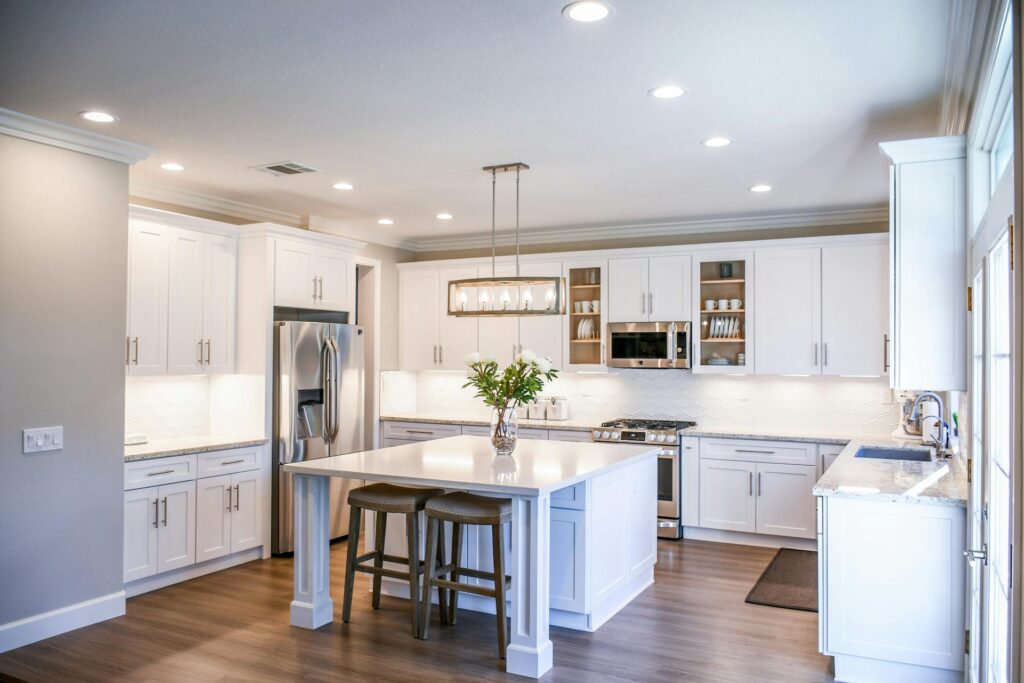
Revitalize Your Space: Creative Home Improvement Projects That Transform Every Room

Introduction & Background
Your home is more than just a place to live. It is a reflection of your personality, a sanctuary for relaxation, and a space for creativity. Over time, however, even the most loved rooms can start to feel stale or outdated. Home improvement projects offer a way to breathe new life into your environment, making each room feel fresh and inviting. Whether you are a seasoned DIY enthusiast or a first-time renovator, creative projects can transform your space without breaking the bank. From small updates to bold redesigns, the possibilities are endless. Revitalizing your home not only enhances comfort but also increases its value and appeal. In this guide, we will explore innovative ideas to help you reimagine every room in your house.
Concept & Overview
Revitalizing your home involves more than just fixing what is broken. It is about reimagining your space to better suit your lifestyle and tastes. Creative home improvement projects focus on blending functionality with aesthetics, ensuring that every change serves a purpose while also looking beautiful. The key is to approach each room with an open mind, considering both practical needs and personal preferences. Whether you want to maximize storage, enhance lighting, or simply refresh the decor, the goal is to create a harmonious environment that feels uniquely yours. This process often involves repurposing existing elements, incorporating sustainable materials, or experimenting with bold design choices. By prioritizing both form and function, you can achieve a space that is both practical and inspiring.
Key Features & Highlights
- Multi-purpose furniture: Invest in pieces that serve more than one function, such as ottomans with storage or sofa beds. This approach maximizes space and reduces clutter while adding versatility to each room.
- Statement lighting: Swap out basic fixtures for eye-catching designs like pendant lights, chandeliers, or LED strips. Lighting can dramatically change the mood of a room, making it warmer or more energizing.
- Accent walls: Use bold wallpaper, paint, or textured materials to create a focal point in any room. This simple update can draw attention and add depth without a full renovation.
- Upcycled decor: Give old furniture or accessories a second life by refinishing or repurposing them. This eco-friendly approach adds character and reduces waste while saving money.
- Smart storage solutions: Custom shelving, hidden compartments, and modular units help keep spaces organized and tidy. Effective storage is especially important in smaller rooms where clutter can feel overwhelming.
- Natural elements: Incorporate plants, wood, stone, or woven textures to bring a touch of nature indoors. These elements add warmth and tranquility while improving air quality in some cases.
Frequently Asked Questions / Pros & Cons
What are the first steps to take when planning a home improvement project?
Start by assessing your needs and priorities. Identify which rooms feel outdated or dysfunctional, and make a list of what you hope to achieve. Set a realistic budget and timeline, considering both materials and labor costs. Research inspiration online or in magazines, and sketch rough ideas for layout changes. Consulting professionals, even for minor advice, can prevent costly mistakes down the line.
What are the benefits of DIY home improvement projects?
DIY projects allow you to save money on labor costs and give you full control over the design and quality. They also provide a sense of accomplishment and can be tailored to your exact preferences. Additionally, many small updates like painting or rearranging furniture can be completed quickly, offering immediate satisfaction. As you gain experience, you may even find yourself taking on larger projects with confidence.
What are the potential drawbacks of home improvement projects?
One major challenge is the risk of underestimating costs or time, which can lead to budget overruns or unfinished projects. Poor planning may also result in mistakes that require costly fixes. Physical labor can be demanding, especially for older adults or those with limited mobility. Additionally, some projects may require permits or professional help, adding complexity to the process.
How do I choose the right materials for my project?
Consider the durability, maintenance requirements, and aesthetic appeal of each material. For high-traffic areas, opt for sturdy options like hardwood, tile, or quartz. In spaces prone to moisture, such as bathrooms or kitchens, choose water-resistant materials like vinyl or treated wood. Think about how materials will complement each other in color and texture to create a cohesive look throughout your home.
Practical Guidance & Solutions
When tackling a home improvement project, start small and work in stages. Begin with rooms that see the most use, such as the kitchen or living area, as these changes can have the most immediate impact. Prioritize projects that address both functionality and style, such as upgrading storage solutions or improving lighting. If you are unsure where to start, focus on high-impact, low-cost updates like a fresh coat of paint or new hardware on cabinets.
Before making any structural changes, consult with professionals to ensure safety and compliance with local regulations. For electrical or plumbing work, hiring a licensed contractor is often necessary to avoid hazards. If you are repurposing furniture, clean and repair items before refinishing them to ensure a smooth finish. When selecting colors or patterns, test samples on walls or fabrics to see how they look in different lighting conditions.
Involve family members in the decision-making process to ensure the space meets everyone’s needs. Set aside a contingency fund for unexpected expenses, and keep track of receipts and warranties for any purchased items. Finally, celebrate your progress along the way. Completing a home improvement project is a rewarding experience that can transform the way you live and feel in your space.
Conclusion
Transforming your home into a revitalized, inspiring space is an exciting journey that combines creativity with practicality. Whether you choose to update a single room or overhaul your entire home, the key is to focus on projects that align with your lifestyle and values. From multi-purpose furniture to natural elements, each change brings you closer to a home that feels uniquely yours. Remember that home improvement is not just about aesthetics. It is about creating a sanctuary where you can relax, entertain, and recharge. So, roll up your sleeves, gather inspiration, and start planning your next project today. Your dream home is within reach, one thoughtful improvement at a time.