Modern House Plans for a Sustainable and Stylish Future

Modern House Plans for a Sustainable and Stylish Future
As the world shifts toward eco-conscious living, modern house plans are no longer just about aesthetics—they’re about blending style with sustainability. Homeowners today seek designs that reduce environmental impact while offering comfort, efficiency, and a sleek, contemporary look. Whether you’re building a new home or renovating, integrating sustainable features into your house plan can lead to long-term savings, improved well-being, and a smaller carbon footprint. Below, we explore cutting-edge house plans that prioritize both sustainability and modern design.
The Rise of Eco-Friendly Architecture
The demand for sustainable homes has fueled innovation in architectural design. Architects and builders are now prioritizing passive design strategies, renewable energy integration, and smart home technologies to create houses that are as efficient as they are stylish. These homes often feature open layouts, abundant natural light, and minimalist aesthetics that align with modern tastes. Additionally, the use of sustainable materials—such as reclaimed wood, bamboo, recycled steel, and low-VOC paints—has become a hallmark of contemporary eco-friendly architecture.
Another key trend is the emphasis on reducing energy consumption through better insulation, high-performance windows, and energy-efficient appliances. Many modern house plans now incorporate solar panels, rainwater harvesting systems, and geothermal heating to further enhance sustainability. These features not only benefit the environment but also translate to lower utility bills and increased property value.
Key Features of Sustainable Modern House Plans
When designing or selecting a modern house plan with sustainability in mind, certain elements are essential. Below are some of the most impactful features to consider:
- Passive Solar Design: Positioning windows and living spaces to maximize natural sunlight in winter while minimizing heat gain in summer can significantly reduce energy costs. Overhangs, thermal mass materials, and strategic landscaping play a crucial role in this approach.
- Energy-Efficient Systems: High-efficiency HVAC systems, smart thermostats, and LED lighting reduce energy consumption. Some homes even incorporate microgrids or battery storage to optimize energy use.
- Sustainable Materials: Opt for locally sourced, recycled, or rapidly renewable materials like cork, hempcrete, or reclaimed timber. These choices lower the environmental impact of construction and improve indoor air quality.
- Water Conservation: Low-flow fixtures, greywater recycling systems, and drought-resistant landscaping help conserve water. Rainwater harvesting systems can also provide water for irrigation or household use.
- Indoor-Outdoor Living: Expansive glass doors, patios, and green roofs blur the boundaries between indoor and outdoor spaces, promoting natural ventilation and reducing the need for artificial lighting.
- Smart Home Technology: Automated systems for lighting, security, and temperature control not only enhance convenience but also allow homeowners to monitor and reduce energy usage in real time.
Top Modern House Plan Designs for a Greener Future
Several architectural styles stand out for their ability to merge sustainability with modern design. Here are a few innovative house plans to inspire your next project:
1. The Net-Zero Energy Home
Net-zero homes produce as much energy as they consume, often through a combination of solar panels, wind turbines, and high-efficiency appliances. These homes are typically compact yet spacious, with open floor plans that maximize natural light. Features like triple-glazed windows, superior insulation, and airtight construction help maintain a consistent indoor temperature. Aesthetically, net-zero homes often feature clean lines, flat or low-slope roofs for solar panel installation, and minimalist facades.
2. The Passive House (Passivhaus)
Originating from Germany, the Passive House standard focuses on ultra-energy efficiency through airtight construction, mechanical ventilation with heat recovery, and high-performance insulation. These homes are designed to maintain a comfortable temperature year-round with minimal heating or cooling. Modern Passive Houses often incorporate large windows on the south-facing side for passive solar heating, while north-facing windows are minimized to reduce heat loss. The result is a sleek, contemporary home that requires almost no active heating or cooling.
3. The Tiny Modern Home
For those looking to downsize without sacrificing style, tiny modern homes offer a sustainable solution. These compact dwellings often feature multi-functional furniture, lofted sleeping areas, and clever storage solutions to maximize space. Sustainable materials like SIPs (Structural Insulated Panels) and reclaimed wood are commonly used. Despite their small footprint, tiny homes can be incredibly energy-efficient, with some even achieving net-zero status. Their minimalist design and clean lines make them a popular choice for eco-conscious minimalists.
4. The Biophilic Home
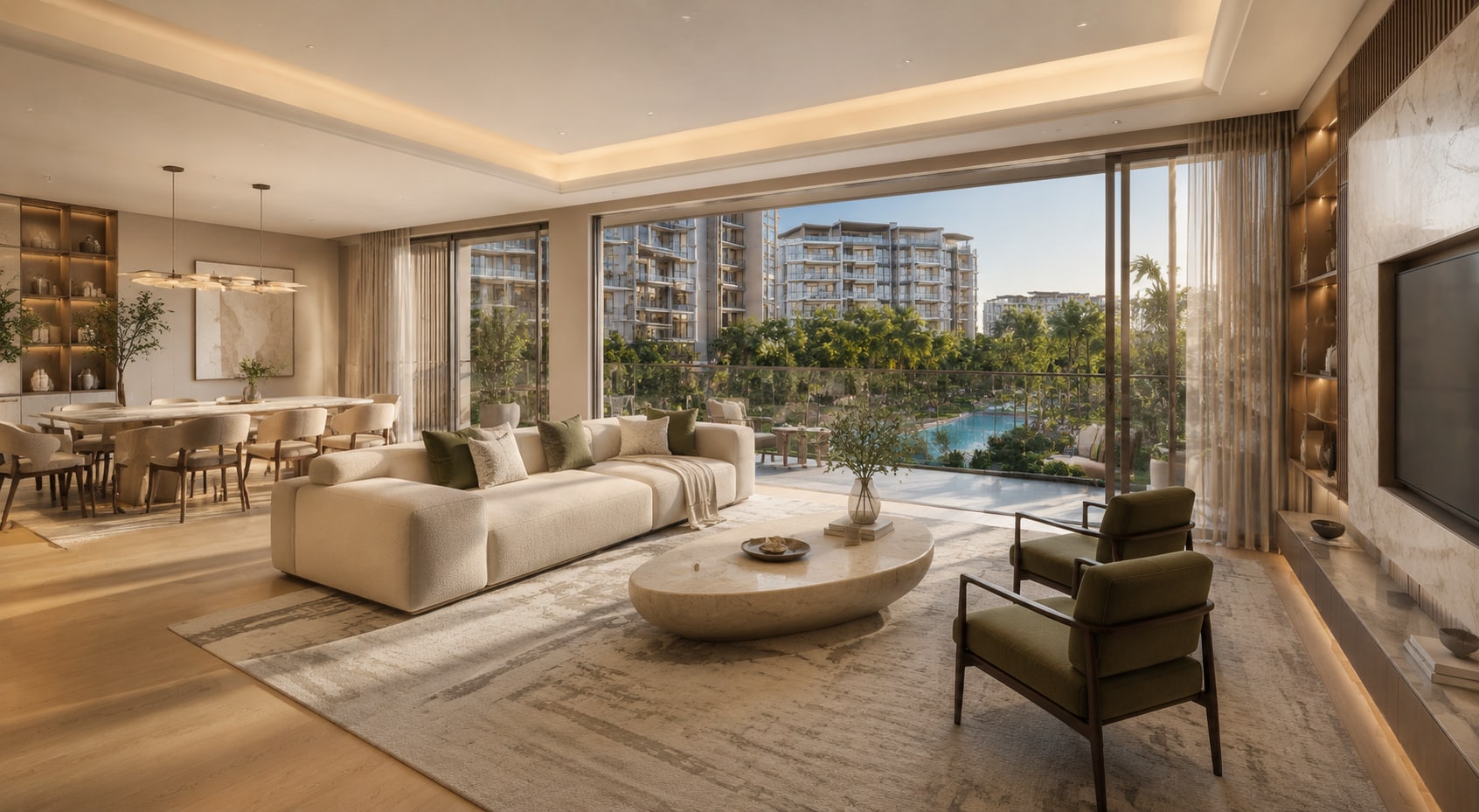
Biophilic design emphasizes the connection between humans and nature, integrating elements like living walls, indoor plants, and natural materials into the home. Modern biophilic homes often feature floor-to-ceiling windows, courtyards, and rooftop gardens. These designs not only enhance well-being but also improve air quality and reduce the urban heat island effect. Aesthetically, biophilic homes blend organic forms with contemporary architecture, creating spaces that feel both luxurious and grounded in nature.
5. The Prefabricated Modern Home
Prefabricated or modular homes are gaining popularity for their sustainability and efficiency. Built in controlled environments, these homes reduce construction waste and allow for precision engineering. Many modern prefab homes use sustainable materials and can be customized to include solar panels, rainwater harvesting, and other eco-friendly features. Their sleek, modular designs often feature clean lines, large windows, and open-concept layouts, making them a stylish yet practical choice.
Tips for Incorporating Sustainability into Your Home Plan
If you’re ready to embrace a sustainable lifestyle, here are some actionable tips to incorporate into your house plan:
- Work with a Green Architect: Look for architects who specialize in sustainable design. They can help you optimize your home’s orientation, material choices, and energy systems.
- Prioritize Location: Choose a site that allows for passive solar design and easy access to public transportation or bike lanes to reduce your carbon footprint.
- Invest in Renewable Energy: Even if you’re not building a net-zero home, adding solar panels or a small wind turbine can significantly cut your energy bills.
- Opt for Durable and Recyclable Materials: Select materials that are long-lasting and can be recycled or repurposed at the end of their life cycle.
- Design for Longevity: Choose a flexible, adaptable layout that can evolve with your needs, reducing the need for future renovations that generate waste.
- Landscape Thoughtfully: Use native plants in your garden to reduce water usage and create habitats for local wildlife. Consider permeable paving to manage stormwater runoff.
The Future of Sustainable Home Design
The future of modern house plans is bright, with innovations like 3D-printed homes, living building materials, and AI-driven energy management systems on the horizon. Architects are also exploring circular design principles, where buildings are designed to be disassembled and reused at the end of their life cycle. As technology advances, the line between sustainability and luxury will continue to blur, making it easier than ever to build a home that is both stylish and responsible.
The shift toward sustainable living isn’t just a trend—it’s a necessity. By embracing modern house plans that prioritize eco-friendly features, you’re not only creating a healthier home for yourself but also contributing to a more sustainable future for generations to come. Whether you opt for a net-zero energy home, a passive house, or a biophilic retreat, the key is to design with intention, innovation, and a deep respect for the environment.