Upgrade Your Abode: The Latest Trends and Must-Knows in Home Renovation

Home renovation has become more than just a seasonal trend. It is a transformative journey that enhances living spaces, boosts property value, and reflects personal style. Whether you are moving into a new home or revamping an existing one, staying updated with the latest trends and essential knowledge can make all the difference. This article explores the significance of home renovation in today’s market, the core principles behind successful upgrades, key features to consider, practical solutions to common challenges, and answers to frequently asked questions.
Introduction & Background
Renovating a home is no longer just about fixing what is broken. It is about creating a space that aligns with modern lifestyles, environmental values, and aesthetic preferences. Over the past few years, home renovation has surged in popularity due to several factors, including increased time spent at home, remote work culture, and a growing emphasis on sustainability. Homeowners today are investing in upgrades that improve functionality, energy efficiency, and overall well-being.
The real estate market has also responded to this shift. Properties with updated kitchens, smart home features, and energy-efficient systems tend to attract higher offers and sell faster. Moreover, renovation projects can be tailored to suit various budgets, making it accessible for first-time homeowners and seasoned investors alike. Understanding the latest trends and foundational principles is crucial for anyone looking to embark on a renovation journey.
Concept & Overview
Home renovation refers to the process of improving or updating a residential space to enhance its appearance, functionality, or value. Unlike simple repairs, renovations often involve structural changes, design updates, or the addition of new features. The scope can range from minor cosmetic updates to major overhauls that include expanding living areas or reconfiguring layouts.
At its core, successful home renovation is guided by three key principles: functionality, aesthetics, and sustainability. Functionality ensures that the space meets the daily needs of its occupants, while aesthetics focus on creating a visually pleasing environment. Sustainability, a growing priority, emphasizes the use of eco-friendly materials, energy-efficient appliances, and designs that minimize environmental impact. Balancing these principles helps homeowners create spaces that are both beautiful and practical for long-term use.
Another important aspect of modern home renovation is personalization. With the rise of customizable design options, homeowners can now express their individuality through unique color schemes, smart home integrations, and bespoke fixtures. This shift has transformed renovation from a routine task into an opportunity to craft a living space that truly feels like home.
Key Features & Highlights
- Smart Home Integration: Modern renovations often include smart lighting, thermostats, security systems, and voice-controlled assistants. These features not only add convenience but also improve energy efficiency.
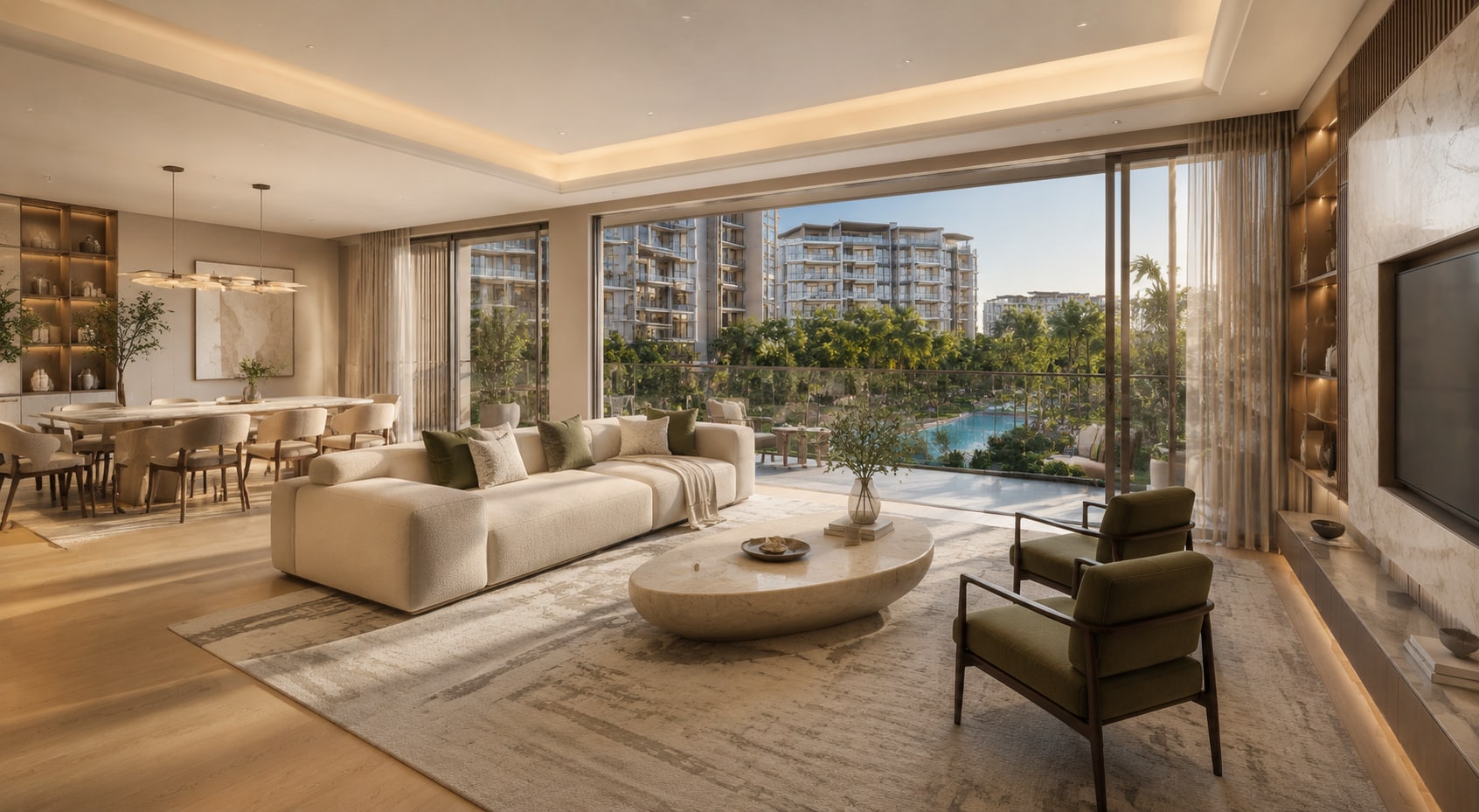
- Open-Concept Layouts: Knocking down walls to create open living spaces continues to be a popular trend. It fosters better flow between rooms and enhances social interaction.
- Sustainable Materials: Eco-friendly options like reclaimed wood, bamboo flooring, and recycled glass countertops are gaining traction. These materials reduce environmental impact and often improve indoor air quality.
- Multi-Functional Spaces: With more people working from home, renovations now focus on creating flexible areas that serve as offices, gyms, or guest rooms. Convertible furniture and modular designs are key contributors.
- Minimalist Aesthetics: Clean lines, neutral color palettes, and clutter-free designs remain a timeless choice. Minimalism not only looks elegant but also makes spaces appear larger and more organized.
- Outdoor Living Enhancements: Patios, decks, and garden renovations are becoming extensions of indoor living areas. Features like outdoor kitchens, fire pits, and cozy seating are highly sought after.
Frequently Asked Questions / Pros & Cons
What are the first steps to take before starting a home renovation project?
Before diving into a renovation, it is essential to assess your goals, budget, and timeline. Start by identifying which areas need the most attention and prioritize them. Research local regulations, obtain necessary permits, and consult with professionals to understand feasibility. Creating a detailed plan with a clear vision will help avoid costly mistakes later.
How can I choose the right contractor for my renovation project?
Selecting a contractor requires careful consideration. Look for licensed, insured professionals with a proven track record in similar projects. Ask for references, check online reviews, and request a portfolio of past work. It is also wise to get multiple quotes to compare pricing and services. Communication is key, so choose someone who listens to your ideas and provides transparent updates throughout the process.
Which home renovation projects offer the highest return on investment?
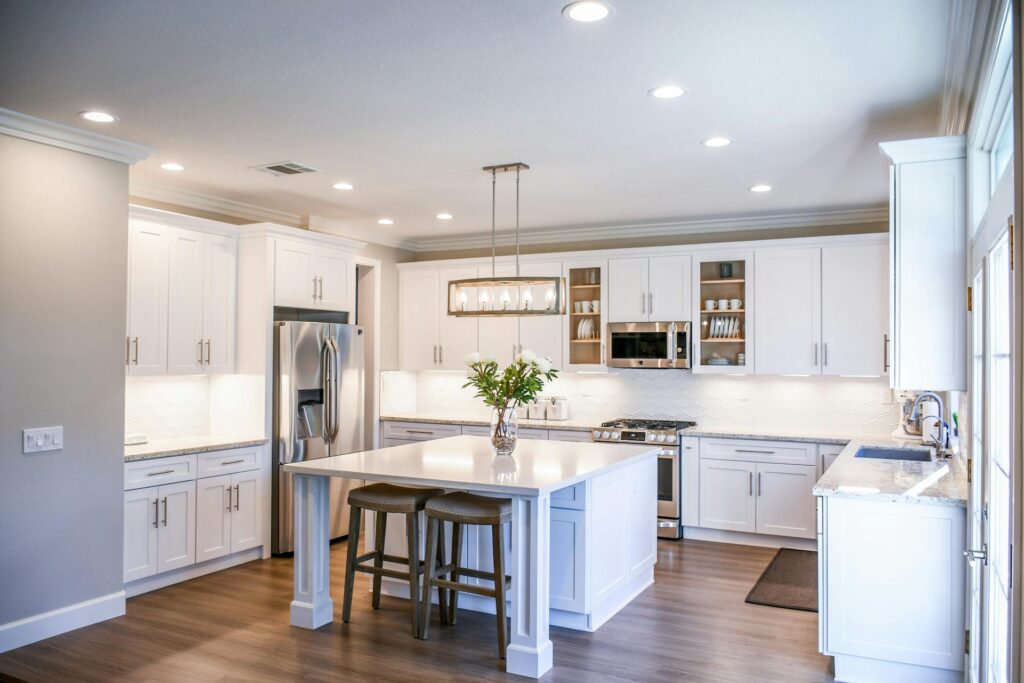
Certain renovations tend to yield higher returns when it is time to sell. Upgrading the kitchen and bathroom, adding energy-efficient windows, and improving curb appeal are among the top choices. According to industry reports, minor kitchen remodels and bathroom updates can recoup more than 70% of their cost in increased home value.
What are the common mistakes to avoid during a home renovation?
One of the biggest mistakes is underestimating the budget. Always allocate extra funds for unexpected expenses. Skipping permits, ignoring structural issues, and prioritizing aesthetics over functionality can also lead to problems. Another common pitfall is choosing trendy designs that may quickly feel outdated. Opt for timeless elements that can adapt to changing tastes.
Is it better to renovate or move to a new home?
The decision depends on factors like budget, location, and emotional attachment to the property. Renovating is often more cost-effective than moving, especially in competitive housing markets. However, if the home no longer meets your needs or the renovation costs exceed the property’s value, moving might be a better option. Weigh the pros and cons of each carefully before making a choice.
Practical Guidance & Solutions
Embarking on a home renovation project can feel overwhelming, but breaking it down into manageable steps can simplify the process. Start by setting clear goals for what you want to achieve. Are you looking to increase space, improve energy efficiency, or enhance curb appeal? Once your objectives are defined, create a realistic budget that includes materials, labor, permits, and a contingency fund for unexpected costs.
Next, focus on selecting the right materials and finishes. Opt for durable, low-maintenance options that align with your lifestyle. For example, quartz countertops are stain-resistant and elegant, while luxury vinyl tiles offer waterproof flooring at an affordable price. When it comes to hiring professionals, prioritize quality and reliability over cost alone. A well-executed renovation by experienced contractors will save you time, money, and stress in the long run.
Another practical tip is to incorporate smart technology where it makes sense. Smart thermostats, lighting, and security systems can be installed during renovation to improve convenience and energy savings. Additionally, consider the future resale value of your home. Neutral tones, quality craftsmanship, and functional layouts are universally appealing and can attract more buyers if you decide to sell.
Finally, stay organized throughout the project. Keep track of contracts, receipts, and communication with contractors. Regularly inspect the work to ensure it meets your expectations and standards. By following these practical steps, you can achieve a successful renovation that transforms your home into a dream abode.
Conclusion
Renovating your home is an exciting opportunity to create a space that reflects your personality, meets your needs, and adds value to your property. From smart home integrations to sustainable materials, today’s trends offer endless possibilities for upgrading your abode. By understanding the core principles, avoiding common pitfalls, and following practical guidance, you can turn your vision into reality without unnecessary stress or expense.
Whether you are refreshing a single room or undertaking a full-scale renovation, the key lies in thoughtful planning and execution. Remember, a well-designed home not only enhances daily living but also stands the test of time. So, take the first step today and start planning your renovation journey. Your dream home awaits, and the possibilities are limitless.