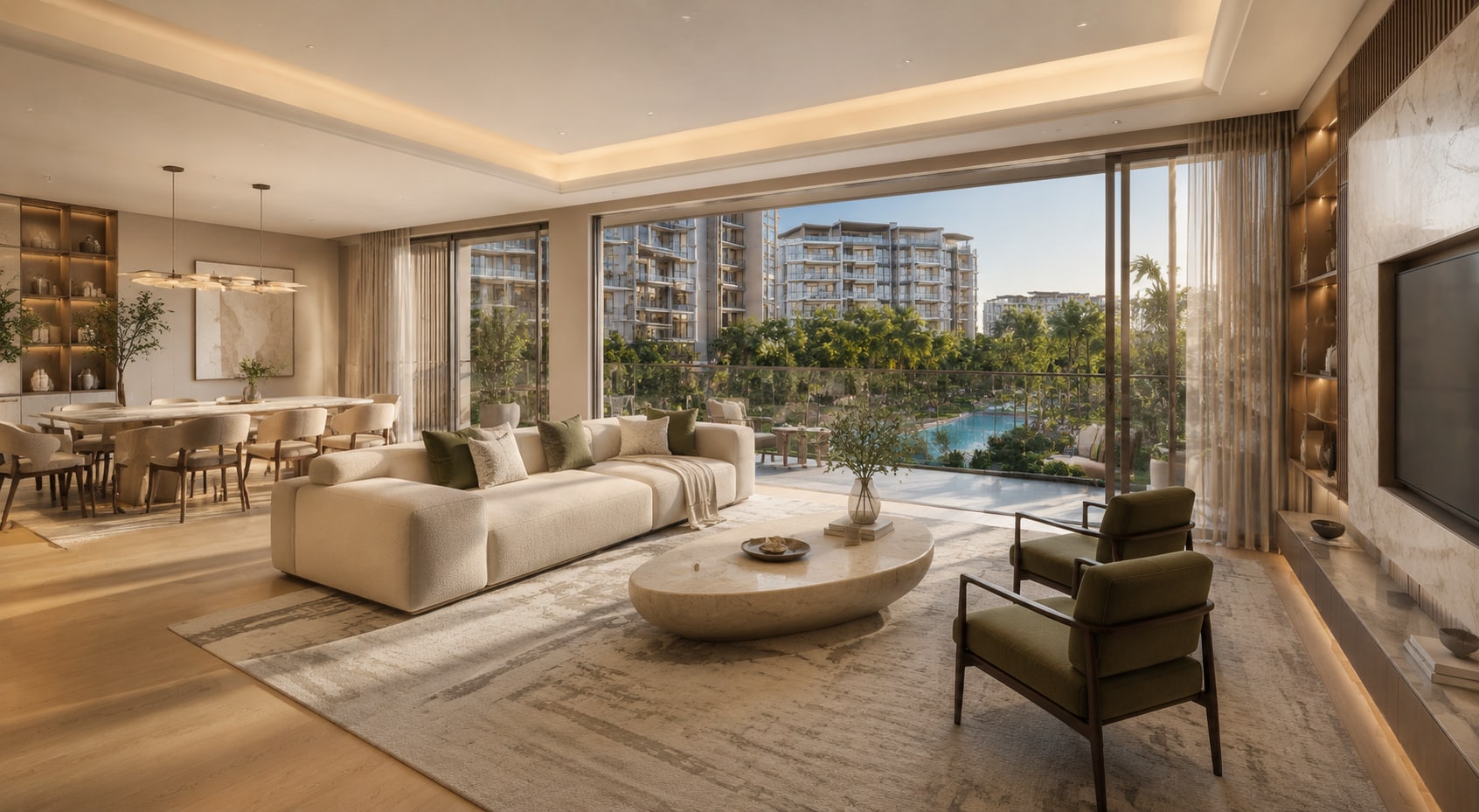
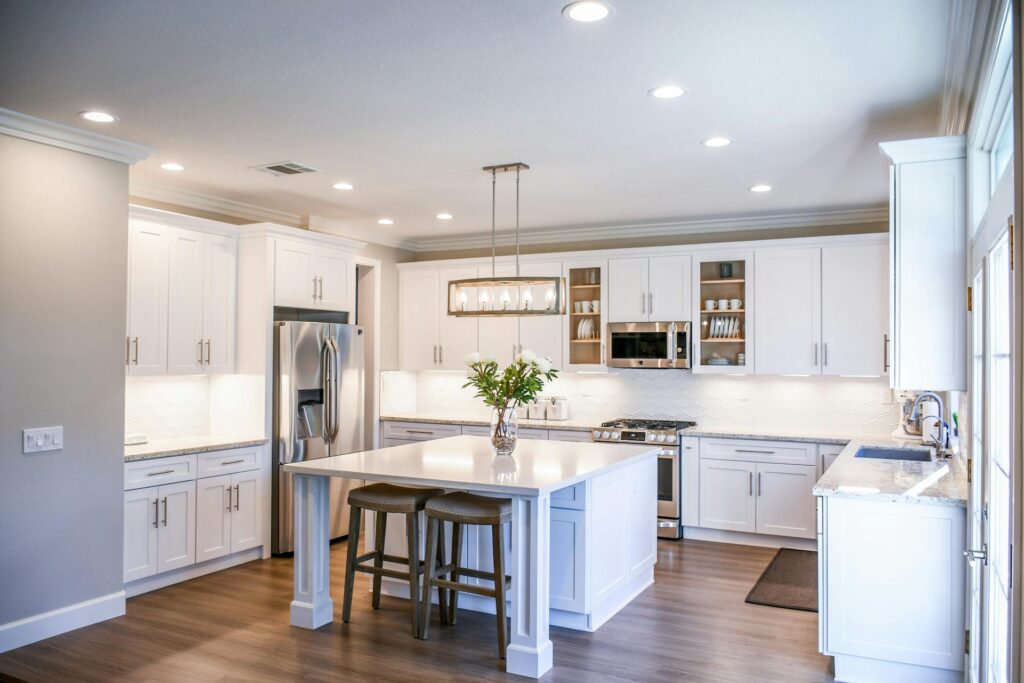
The Ultimate Guide to Modern Home Improvement in 2025

Introduction & Background
Home improvement in 2025 is more than just a trend. It reflects a shift toward sustainability, technology integration, and personalized living spaces. Homeowners today prioritize energy efficiency, smart home features, and designs that adapt to changing lifestyles. With rising costs of living and environmental concerns, modernizing your home isn’t just about aesthetics. It’s about creating a space that is functional, cost-effective, and aligned with future needs. This guide explores the latest advancements and practical steps to transform your home in meaningful ways.
Concept & Overview
Modern home improvement in 2025 revolves around three core principles: sustainability, smart technology, and adaptability. Sustainability focuses on reducing carbon footprints through energy-efficient materials and renewable energy sources. Smart technology integrates automation, AI, and IoT devices to enhance convenience and security. Adaptability ensures that spaces can evolve with the needs of the household, whether through modular furniture or flexible room layouts. Together, these principles create homes that are not only beautiful but also intelligent and resilient.
Key Features & Highlights
- Energy-Efficient Upgrades: Solar panels, smart thermostats, and high-performance insulation reduce energy consumption and lower utility bills.
- Smart Home Integration: Voice-controlled assistants, automated lighting, and security systems provide convenience and peace of mind.
- Sustainable Materials: Reclaimed wood, bamboo flooring, and recycled metal fixtures minimize environmental impact while adding style.
- Modular and Multi-Functional Spaces: Convertible furniture, foldable walls, and open-concept designs maximize space and adaptability.
- Water Conservation Systems: Low-flow fixtures, rainwater harvesting, and greywater recycling systems promote eco-friendly living.
- Health-Conscious Designs: Non-toxic paints, air purification systems, and natural ventilation improve indoor air quality and well-being.
- Outdoor Living Enhancements: Eco-friendly landscaping, outdoor kitchens, and solar-powered lighting extend living spaces outdoors.
Frequently Asked Questions / Pros & Cons
What are the biggest trends in home improvement for 2025?
In 2025, the focus is on sustainable living, smart home automation, and spaces that adapt to different needs. Homeowners are investing in solar energy, AI-driven appliances, and flexible room designs. Minimalism with a personal touch is also gaining popularity, as people seek clutter-free yet meaningful environments.
Is it worth investing in smart home technology?
Smart home technology offers long-term savings and convenience. While the initial cost can be high, energy-efficient devices and automated systems reduce utility bills and maintenance. They also increase property value. However, compatibility issues and privacy concerns remain valid considerations for some users.
What are the pros and cons of using sustainable materials?
Pros: Sustainable materials reduce environmental harm, improve indoor air quality, and often last longer than conventional options. They can also enhance the aesthetic appeal of a home.
Cons: Some sustainable materials may have a higher upfront cost. Availability can vary by region, and installation might require specialized labor. Research is essential to ensure quality and durability.
How can I make my home more energy-efficient?
Start with an energy audit to identify areas of waste. Upgrade insulation, install smart thermostats, and switch to LED lighting. Consider renewable energy sources like solar panels or wind turbines. Proper sealing of windows and doors also plays a crucial role in maintaining temperature control.
What are the challenges of modular and multi-functional spaces?
While modular designs save space, they may require frequent adjustments to meet changing needs. Acoustic challenges can arise in open-concept layouts, and high-quality convertible furniture often comes at a premium. Planning and professional consultation are key to overcoming these hurdles.
Practical Guidance & Solutions
Begin your home improvement journey by assessing your needs and setting a realistic budget. Prioritize upgrades that offer the highest return on investment, such as energy-efficient systems and smart technology. Consult professionals for structural changes or complex installations to avoid costly mistakes.
For sustainable projects, source materials from reputable suppliers and verify certifications like LEED or Energy Star. When integrating smart devices, choose a unified platform to ensure compatibility. Test systems gradually to troubleshoot issues early.
If space is limited, explore multi-functional furniture and vertical storage solutions. For outdoor enhancements, focus on native plants and water-efficient irrigation. Regular maintenance, such as cleaning solar panels or servicing HVAC systems, ensures long-term performance.
Conclusion
Transforming your home in 2025 is about blending innovation with practicality. By embracing sustainability, smart technology, and adaptable designs, you create a living space that evolves with your lifestyle and values. Whether you’re making small upgrades or undertaking a full renovation, the key is to plan thoughtfully and invest wisely. Modern home improvement isn’t just about keeping up with trends. It’s about crafting a home that is efficient, comfortable, and ready for the future. Start today and redefine the way you live.