Creative Home Remodeling Ideas to Transform Your Space Effortlessly

Introduction & Background
Remodeling your home is one of the most rewarding ways to refresh your living environment without moving to a new location. Whether you want to enhance functionality, boost curb appeal, or simply create a space that reflects your personal style, creative home remodeling ideas can transform your home effortlessly. In today’s fast-paced world, where comfort and aesthetics matter more than ever, updating your space can significantly improve your quality of life. From small changes like repainting walls to major renovations like reconfiguring layouts, the possibilities are endless. This guide explores innovative and practical ideas to help you reimagine your home with ease and confidence.
Concept & Overview
Creative home remodeling revolves around making intentional changes to your living space to better suit your needs, tastes, and lifestyle. It goes beyond basic repairs or updates by incorporating design elements that inspire joy, efficiency, and uniqueness. The key principle is flexibility. Modern remodeling focuses on adaptable solutions that accommodate evolving lifestyles, such as multi-functional rooms or smart storage options. Whether you prefer minimalist designs, rustic charm, or contemporary flair, the goal is to create a cohesive and personalized environment. By blending creativity with functionality, you can achieve a home that feels brand new without overwhelming your budget or schedule.
Key Features & Highlights
- Open Floor Plans: Removing walls or reconfiguring layouts can create a sense of spaciousness and improve flow between rooms. This is especially useful for small homes or homes with dated layouts.
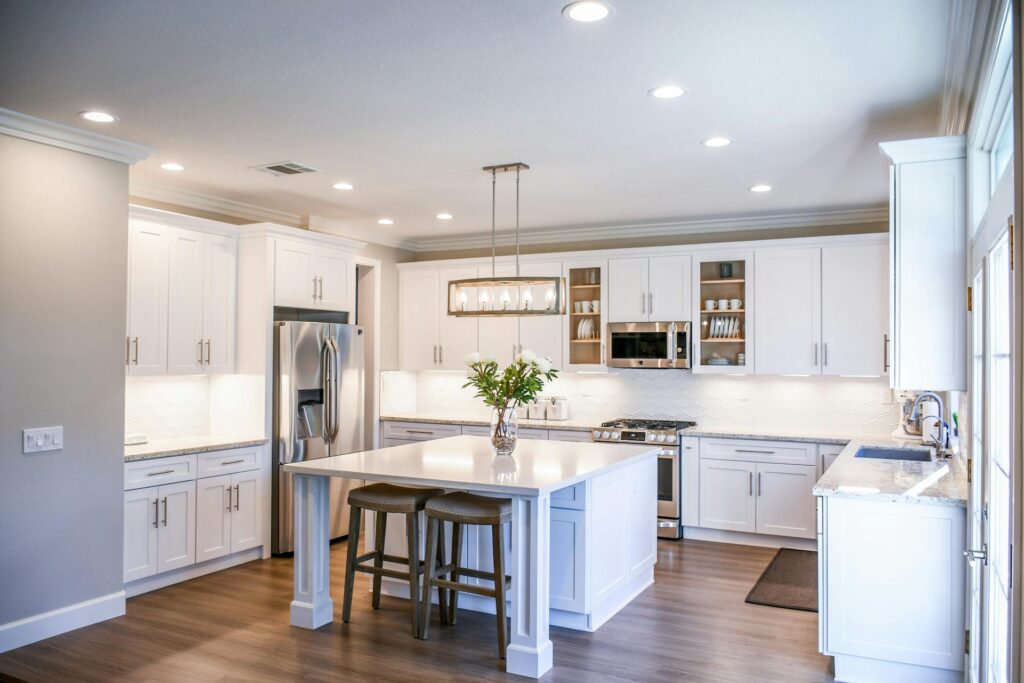
- Multi-Functional Spaces: Design areas that serve multiple purposes, such as a home office that doubles as a guest room, or a kitchen island that doubles as a dining table. This maximizes utility in limited square footage.
- Smart Storage Solutions: Built-in shelves, under-stair storage, and concealed cabinets help reduce clutter while keeping your space organized. Custom closets and pull-out drawers are also popular options.
- Statement Lighting: Updating light fixtures can dramatically change the ambiance of a room. Consider pendant lights, chandeliers, or modern LED strips to add warmth or drama.
- Eco-Friendly Upgrades: Incorporating energy-efficient windows, solar panels, or sustainable materials like bamboo flooring reduces your environmental footprint and lowers utility costs.
- Bold Accent Walls: A single accent wall in a vibrant color, textured wallpaper, or reclaimed wood can serve as a focal point and add character to any room.
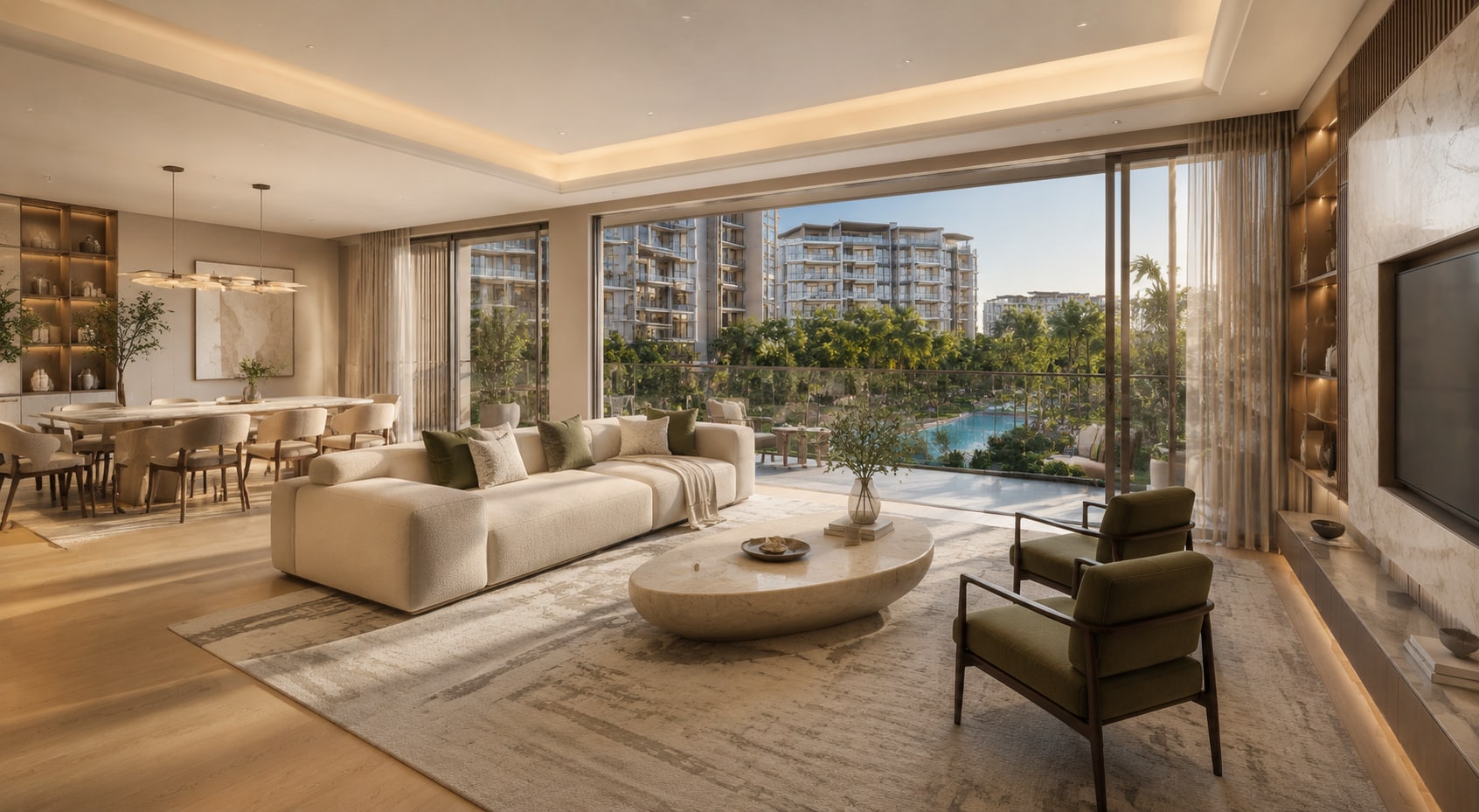
- Outdoor Living Expansion: Blurring the lines between indoor and outdoor spaces with large sliding doors, patios, or rooftop gardens creates a seamless transition and extends your living area.
- Vintage and Thrifted Finds: Incorporating secondhand furniture or retro decor pieces adds personality and sustainability to your home while telling a unique story.
Frequently Asked Questions / Pros & Cons
What are the benefits of remodeling instead of moving?
Remodeling allows you to customize your home to your exact preferences without the stress and expense of relocating. It often costs less than buying a new home, especially when considering closing fees, moving expenses, and real estate commissions. Additionally, you can stay in a familiar neighborhood and preserve sentimental attachments to your home.
How much does a typical home remodel cost?
The cost varies widely depending on the scope of the project. Minor updates like painting or new fixtures can cost a few hundred dollars, while major renovations like kitchen or bathroom remodels can range from $10,000 to over $50,000. It’s important to set a realistic budget and prioritize projects based on necessity and impact.
What is the best way to choose a remodeling contractor?
Start by asking for recommendations from friends or family who have recently completed similar projects. Verify licenses, insurance, and past client reviews. Always get multiple quotes and ensure the contractor provides a detailed contract outlining timelines, costs, and materials. Communication and transparency are key to a successful partnership.
Pros:
- Increased home value and resale potential.
- Enhanced comfort and functionality tailored to your lifestyle.
- Opportunity to incorporate energy-efficient and sustainable features.
- Personal satisfaction from transforming your living space into a dream home.
Cons:
- Potential for unexpected costs or delays during the remodeling process.
- Disruption to daily routines, especially for major renovations.
- Risk of choosing low-quality materials or contractors without proper research.
- Temporary loss of privacy or comfort during construction.
Practical Guidance & Solutions
Before starting any remodeling project, assess your needs and priorities. Ask yourself what aspects of your home no longer serve you. Is it the lack of storage, outdated kitchen, or cramped living areas? Once you identify the pain points, research design trends and materials that align with your vision and budget.
For small budgets, focus on high-impact, low-cost changes like fresh paint, new hardware, or updated light fixtures. These swaps can instantly modernize a room without a major investment. If you’re planning a larger project, consider phased remodeling. Tackle one room at a time to spread out costs and minimize disruption.
When working with contractors, maintain open communication and request regular progress updates. Keep a contingency fund for unexpected expenses, typically 10-20% of your total budget. If you’re a DIY enthusiast, start with simpler projects like painting or assembling furniture, and gradually take on more complex tasks as your skills improve.
Don’t overlook the power of decluttering before remodeling. Removing unnecessary items can make your space feel larger and help you visualize new layouts more clearly. Finally, incorporate personal touches like family photos, artwork, or meaningful decor to ensure your remodeled space feels like home.
Conclusion
Creative home remodeling is about more than just updating surfaces. It’s about reimagining your living space to better reflect who you are and how you want to live. Whether you’re drawn to bold design choices, sustainable upgrades, or simply a more organized environment, the right remodeling ideas can transform your home effortlessly. With thoughtful planning, a clear vision, and a willingness to explore new possibilities, you can create a home that inspires and rejuvenates you every day. Start small, dream big, and enjoy the journey of making your house truly your own.