Unlock Your Home’s Hidden Potential: Creative Renovation Ideas to Transform Your Space

Introduction & Background
Transforming your home into a space that reflects your personality and meets your needs is more than just a trend. It is an opportunity to enhance comfort, increase property value, and create a sanctuary that inspires. Whether you live in a cozy apartment or a spacious house, creative renovations can unlock hidden potential in every corner. The significance of home renovation goes beyond aesthetics, as it can improve functionality, boost energy efficiency, and even enhance mental well-being. With thoughtful planning and innovative ideas, you can turn underutilized areas into valuable assets that elevate your daily living experience.
Concept & Overview
Creative renovation is about reimagining your space to better serve your lifestyle while incorporating modern design principles. It involves strategic changes that combine aesthetics with practicality, ensuring that each element serves a purpose. Whether you want to maximize natural light, create multifunctional rooms, or introduce sustainable materials, the goal is to blend innovation with personal expression. By focusing on both form and function, you can transform ordinary spaces into extraordinary ones without the need for major structural overhauls. This approach encourages homeowners to think outside the box and explore solutions that align with their vision and budget.
Key Features & Highlights
- Multifunctional Rooms: Convert underused spaces like basements, attics, or spare bedrooms into home offices, guest rooms, or cozy reading nooks that adapt to your needs.
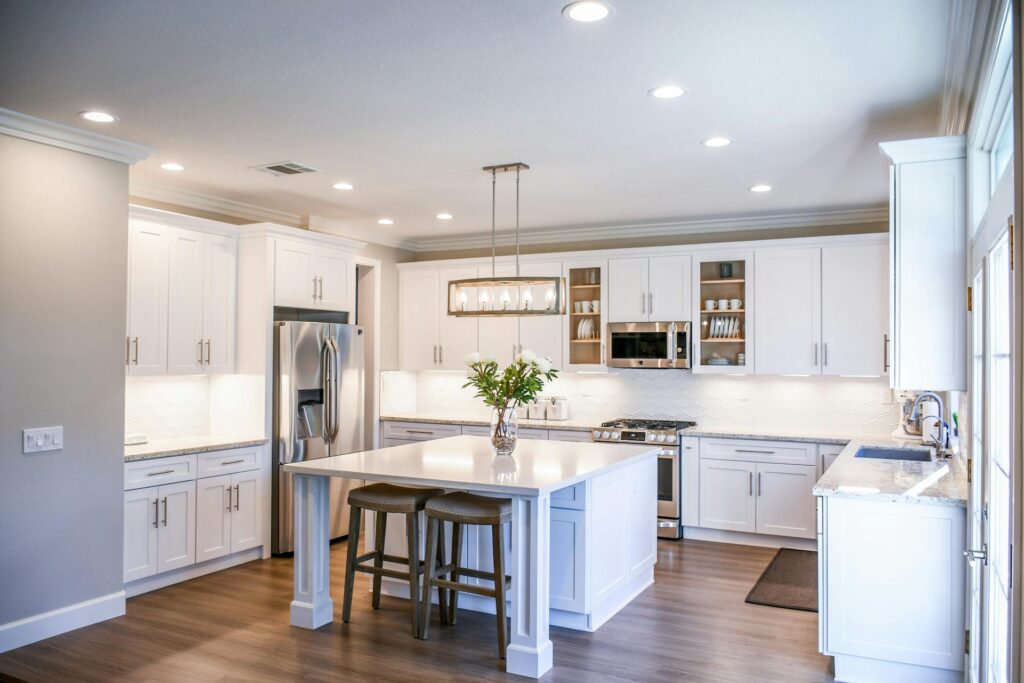
- Smart Storage Solutions: Incorporate built-in shelves, hidden cabinets, and modular furniture to declutter and organize while maintaining a sleek appearance.
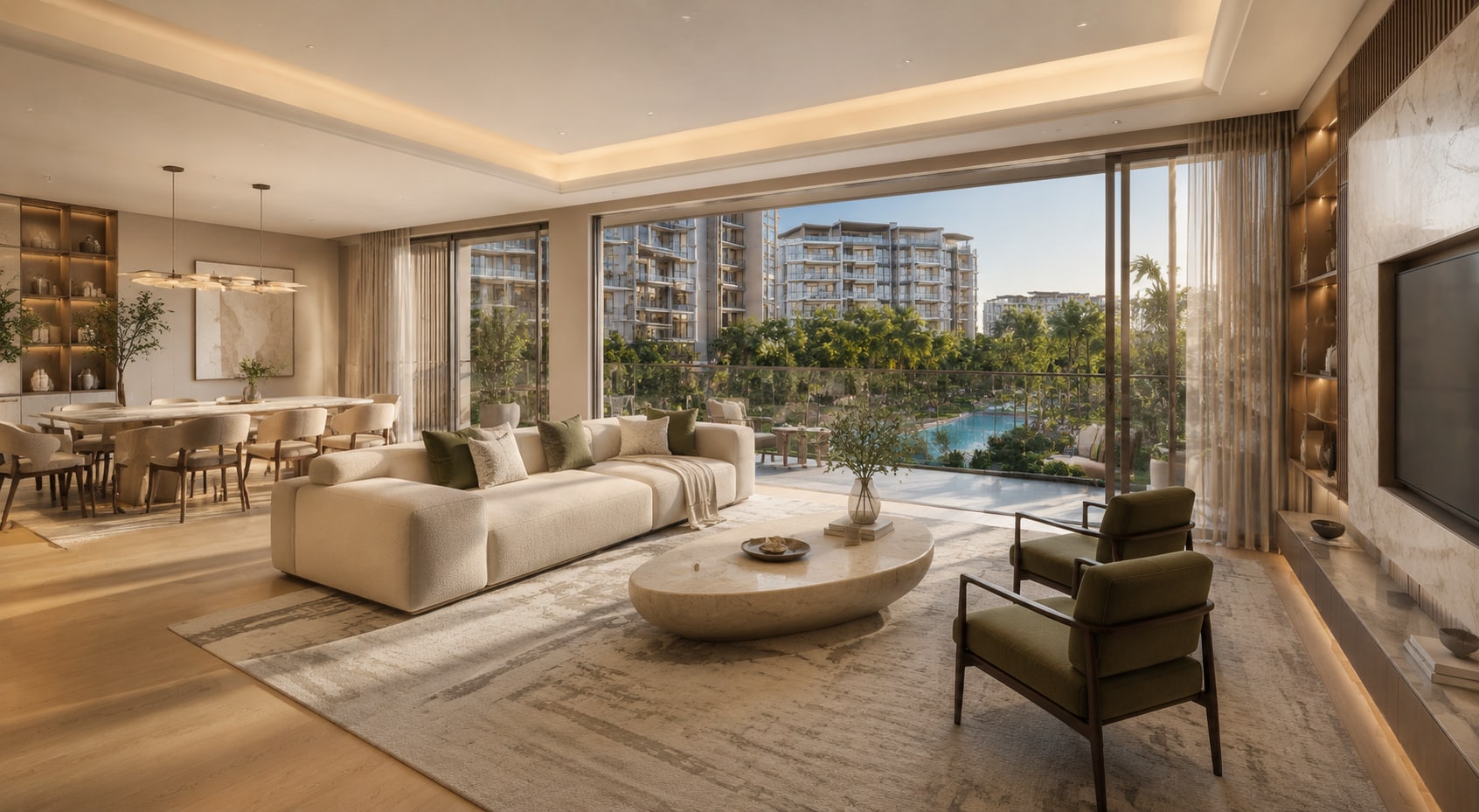
- Natural Light Enhancement: Install larger windows, skylights, or glass doors to brighten interiors and create an open, airy atmosphere that reduces reliance on artificial lighting.
- Sustainable Upgrades: Choose eco-friendly materials such as bamboo flooring, recycled countertops, or energy-efficient appliances to minimize environmental impact and lower utility costs.
- Open-Concept Layouts: Remove unnecessary walls to create a fluid living space that fosters connectivity and makes entertaining easier while improving flow and accessibility.
- Accent Walls & Textures: Use bold wallpapers, textured paint, or reclaimed wood to add depth and character to a room without a full renovation, instantly refreshing the look.
- Outdoor Living Expansion: Extend your living area with a deck, patio, or garden oasis that seamlessly connects indoor and outdoor spaces for relaxation and entertainment.
Frequently Asked Questions / Pros & Cons
What are the first steps to planning a home renovation?
Start by identifying your goals, whether it’s improving functionality, increasing value, or enhancing aesthetics. Assess your budget and prioritize projects based on urgency and feasibility. Consulting with a designer or contractor can help you create a realistic plan that aligns with your vision.
How do I choose the right materials for my renovation?
Select materials based on durability, maintenance, and style preferences. Consider factors like climate, foot traffic, and lifestyle. For example, hardwood floors are durable but may not suit wet areas, while porcelain tiles are ideal for bathrooms. Always request samples and compare them in different lighting conditions.
Is it worth investing in energy-efficient upgrades?
Yes, energy-efficient upgrades like LED lighting, smart thermostats, and high-efficiency windows can significantly reduce utility bills over time. They also increase resale value and appeal to eco-conscious buyers, making them a smart long-term investment.
What are the common challenges in a home renovation?
Unexpected costs, permit delays, and structural surprises are typical challenges. To mitigate risks, allocate a contingency budget of 10-20% and work with licensed professionals who understand local regulations. Clear communication with your contractor is key to keeping the project on track.
Can small renovations make a big impact?
Absolutely. Simple changes like repainting walls, updating hardware, or adding decorative lighting can transform a space without a major overhaul. These cost-effective updates refresh the look and feel of your home while maintaining functionality.
Pros and Cons of Open-Concept Living
- Pros: Enhances social interaction, improves natural light distribution, and creates an illusion of more space. It also allows for flexible furniture arrangements and easier entertaining.
- Cons: Lack of privacy can be an issue, noise travels more easily, and structural changes may not be feasible in older homes. Proper zoning and soundproofing solutions can help address these concerns.
Practical Guidance & Solutions
Before diving into a renovation, start by evaluating your space with fresh eyes. Take note of areas that feel cramped or underutilized, and consider how they could serve a new purpose. For example, a narrow hallway might become a stylish gallery wall or a built-in bench with storage. If you’re unsure where to begin, enlist the help of a professional designer who can provide tailored recommendations based on your home’s architecture and your lifestyle.
Budgeting is another critical step. Break down your renovation into phases, addressing high-priority areas first while saving less urgent projects for later. This approach allows you to spread out costs and enjoy the benefits of completed renovations sooner. Additionally, explore DIY options for smaller tasks like painting or installing shelving to save on labor expenses.
When selecting contractors, always verify their credentials, read reviews, and ask for portfolios of past work. Obtain multiple quotes to ensure competitive pricing and clear timelines. During the renovation, maintain open lines of communication to address any issues promptly. Finally, don’t overlook the finishing touches, such as lighting, window treatments, and decor, which bring the entire project together and make your space truly feel like home.
Conclusion
Renovating your home is an exciting journey that transforms not just your space, but your daily life. By embracing creativity and strategic planning, you can unlock hidden potential in every room and create a home that reflects your unique style and meets your needs. Whether you’re making minor updates or undertaking a major overhaul, the key is to focus on what truly matters to you. Remember, a well-designed home is more than just a place to live, it’s a sanctuary that nurtures comfort, inspiration, and joy. Start small if needed, but dare to dream big, because your home has the power to evolve with you.