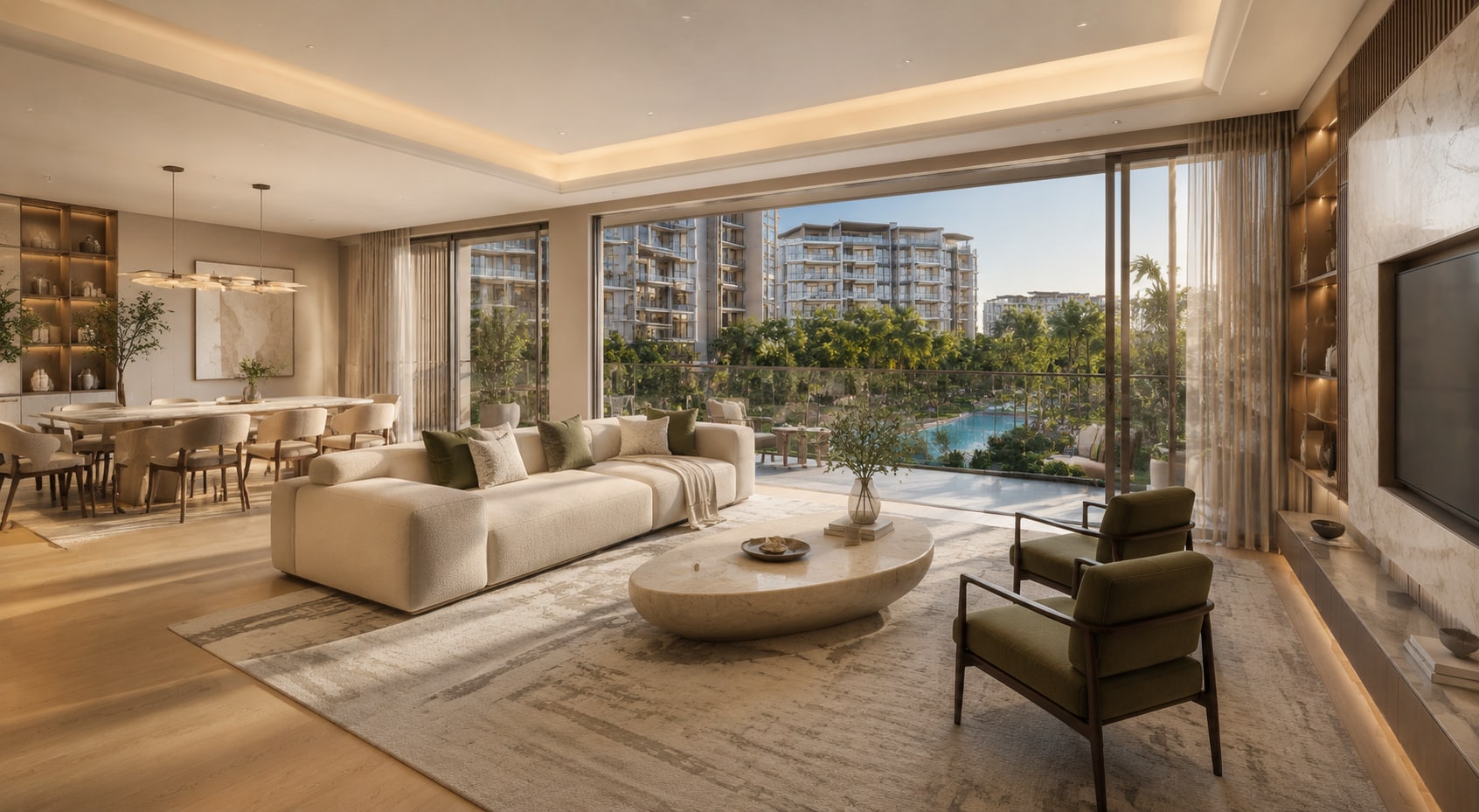
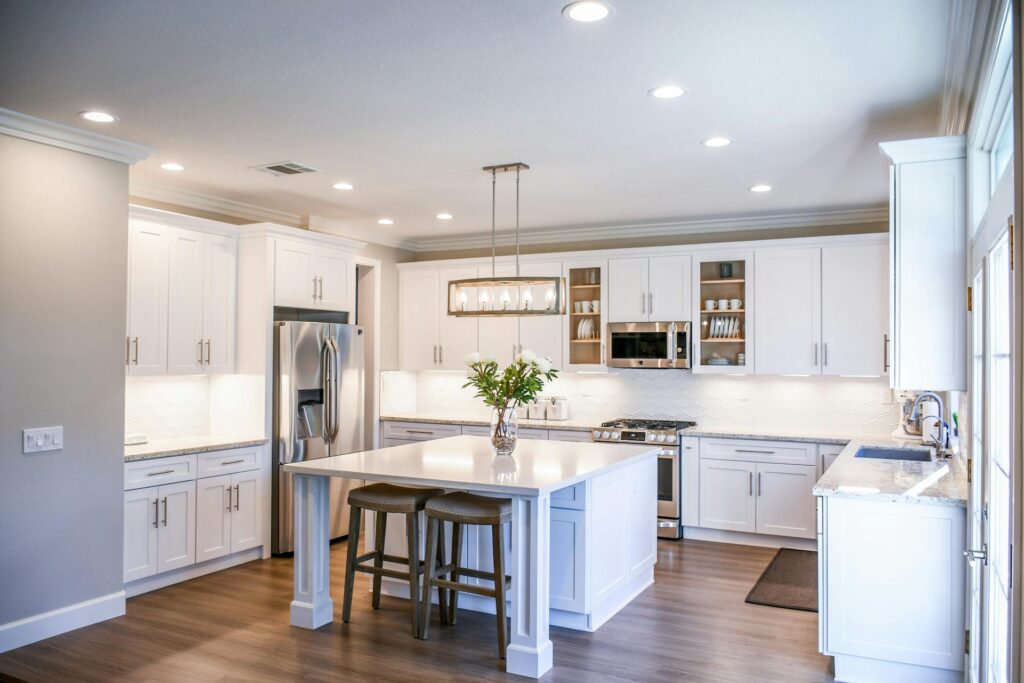
Transform Your Space, Elevate Your Life: The Art of Home Renovation

Introduction & Background
In today’s fast-paced world, our homes serve as more than just a place to live. They are sanctuaries where we recharge, create memories, and express our personal styles. A well-designed home can elevate our mood, boost productivity, and even improve our overall well-being. This is where the art of home renovation comes into play. By thoughtfully transforming our living spaces, we can create environments that not only meet our functional needs but also inspire and rejuvenate us. Whether you are looking to modernize a single room or undertake a full-scale renovation, the process offers an opportunity to reimagine your space and, in turn, your life.
Home renovation is not just about aesthetics. It is about creating a space that reflects who you are, supports your lifestyle, and enhances your daily experiences. From improving energy efficiency to incorporating sustainable materials, renovations can also align with values like environmental responsibility. As the demand for personalized and functional living spaces grows, so does the importance of understanding how to approach home renovation effectively. This guide explores the art and science behind transforming your space to elevate your life.
Concept & Overview
The art of home renovation is a blend of creativity, strategy, and practicality. At its core, it involves reimagining and redesigning your living environment to better suit your needs, tastes, and aspirations. Unlike simple decorating or redecorating, renovation often includes structural changes, layout adjustments, and upgrades to systems such as plumbing, electrical, or HVAC. The process requires careful planning, collaboration with professionals, and a clear vision of what you want to achieve.
Key principles of successful home renovation include functionality, sustainability, and personalization. A functional space ensures that every area serves a purpose and flows naturally with your daily routines. Sustainability focuses on using materials and methods that are eco-friendly and energy-efficient, reducing your carbon footprint while saving on utility costs. Personalization reflects your unique identity and lifestyle, making your home a true extension of yourself. When these principles are thoughtfully integrated, the result is a space that is not only beautiful but also meaningful and purposeful.
Key Features & Highlights
- Customization: Every renovation is tailored to the homeowner’s preferences, allowing for unique designs that cannot be found in generic or mass-produced spaces.
- Increased Property Value: Thoughtfully planned renovations can significantly boost the market value of your home, making it a wise investment for the future.
- Energy Efficiency: Upgrading insulation, windows, and appliances can reduce energy consumption, lower utility bills, and contribute to a greener planet.
- Space Optimization: Clever layout designs and storage solutions can maximize space, making even small areas feel more open and functional.
- Sustainability: Using recycled, reclaimed, or locally sourced materials minimizes environmental impact while adding character to your home.
- Improved Comfort: Modern renovations often include better lighting, ventilation, and soundproofing, creating a more comfortable and peaceful living environment.
- Smart Technology Integration: Incorporating smart home devices can enhance convenience, security, and energy management, making daily life easier and more efficient.
Frequently Asked Questions / Pros & Cons
What are the first steps to take before starting a home renovation?
Before diving into a renovation project, it is essential to assess your goals and priorities. Start by identifying what you hope to achieve, whether it is more space, better functionality, or a modern aesthetic. Next, set a realistic budget that includes not only materials and labor but also a contingency fund for unexpected expenses. Research local regulations and obtain any necessary permits to ensure your project complies with building codes. Finally, consider consulting with professionals such as architects, designers, or contractors to refine your vision and create a detailed plan.
How do I choose the right contractor for my renovation project?
Choosing the right contractor is one of the most critical decisions you will make. Start by asking for recommendations from friends, family, or colleagues who have undergone similar projects. Look for contractors with a solid reputation, positive reviews, and a portfolio of completed work. Verify their licenses and insurance to protect yourself from liability. Schedule meetings with potential contractors to discuss your project in detail and gauge their communication style and professionalism. Request multiple quotes to compare pricing and services, and always check references before making a final decision.
What are the common challenges people face during home renovation?
Home renovation projects often come with unexpected challenges that can derail timelines and budgets. Delays due to material shortages, permit issues, or unforeseen structural problems are common. Budget overruns can occur when hidden costs arise, such as electrical or plumbing upgrades that were not initially accounted for. Noise, dust, and disruptions to daily life can also pose challenges, especially in smaller homes or apartments. Additionally, mismatched expectations between homeowners and contractors can lead to dissatisfaction with the final result. Proper planning, clear communication, and flexibility can help mitigate these challenges.
Which renovation projects offer the best return on investment?
Not all renovation projects provide the same financial return, so it is important to prioritize those that add the most value. Kitchen and bathroom remodels are consistently ranked as top projects for return on investment, as they are key selling points for potential buyers. Upgrading windows and doors to improve energy efficiency can also yield significant savings and attract eco-conscious buyers. Adding usable square footage, such as finishing a basement or attic, is another high-impact renovation that can increase property value. However, luxury upgrades like high-end appliances or custom features may not always recoup their cost when selling the home.
Is it necessary to hire a designer for a home renovation?
While it is possible to manage a renovation without a designer, hiring one can provide valuable expertise and peace of mind. Designers bring a trained eye for detail, an understanding of spatial relationships, and access to exclusive resources and materials. They can help you avoid costly mistakes, such as poor lighting or inefficient layouts, and ensure your renovation aligns with your lifestyle and aesthetic goals. If your project is complex or involves structural changes, a designer can act as a liaison between you and contractors, streamlining communication and project management. However, for smaller or straightforward projects, a designer may not be necessary if you feel confident in your own planning abilities.
Practical Guidance & Solutions
Embarking on a home renovation journey can feel overwhelming, but breaking it down into manageable steps can make the process smoother and more enjoyable. Start by defining your renovation goals clearly. Ask yourself what you want to achieve, whether it is more natural light, additional storage, or a modern kitchen. Write down your priorities and create a mood board to visualize your ideas. This will serve as a reference point throughout the project and help you communicate your vision to professionals.
Next, establish a realistic budget and timeline. Research the costs of materials, labor, and permits in your area to avoid surprises. Allocate a contingency fund of at least 10-20% of your total budget to cover unexpected expenses. When choosing materials, prioritize quality and durability over trends, as they will need to withstand daily wear and tear. For example, opt for hardwood flooring instead of laminate if longevity is a priority, or invest in energy-efficient windows to reduce long-term utility costs.
Collaboration is key to a successful renovation. Build a strong team of professionals, including architects, contractors, and designers, who understand your vision and communicate effectively. Regularly check in with your contractor to monitor progress and address any issues promptly. Keep a detailed record of all communications, contracts, and receipts for future reference. If you are handling the renovation yourself, create a realistic schedule and stick to it, allowing extra time for tasks that may take longer than expected.
Finally, focus on the details that will make your space truly shine. Lighting plays a crucial role in setting the ambiance of a room, so invest in a mix of task, ambient, and accent lighting. Pay attention to storage solutions, such as built-in shelves or multi-functional furniture, to keep clutter at bay. Incorporate personal touches, such as artwork, textiles, or greenery, to infuse your personality into the space. Remember, the goal of your renovation is not just to create a visually appealing home but to craft an environment that supports and enriches your daily life.
Conclusion
The art of home renovation is more than just a series of tasks. It is a transformative journey that can reshape not only your living space but also your overall quality of life. By approaching the process with intention, creativity, and careful planning, you can create a home that is uniquely yours. Whether you are seeking to increase functionality, boost energy efficiency, or simply refresh your surroundings, renovation offers endless possibilities to elevate your daily experiences.
As you embark on your renovation journey, remember that the key to success lies in balancing your dreams with practicality. Embrace the challenges as opportunities to learn and grow, and celebrate each milestone along the way. The result will be a home that not only reflects your style and values but also nurtures your well-being and inspires your spirit. So, take the first step today and transform your space into a sanctuary that truly elevates your life.